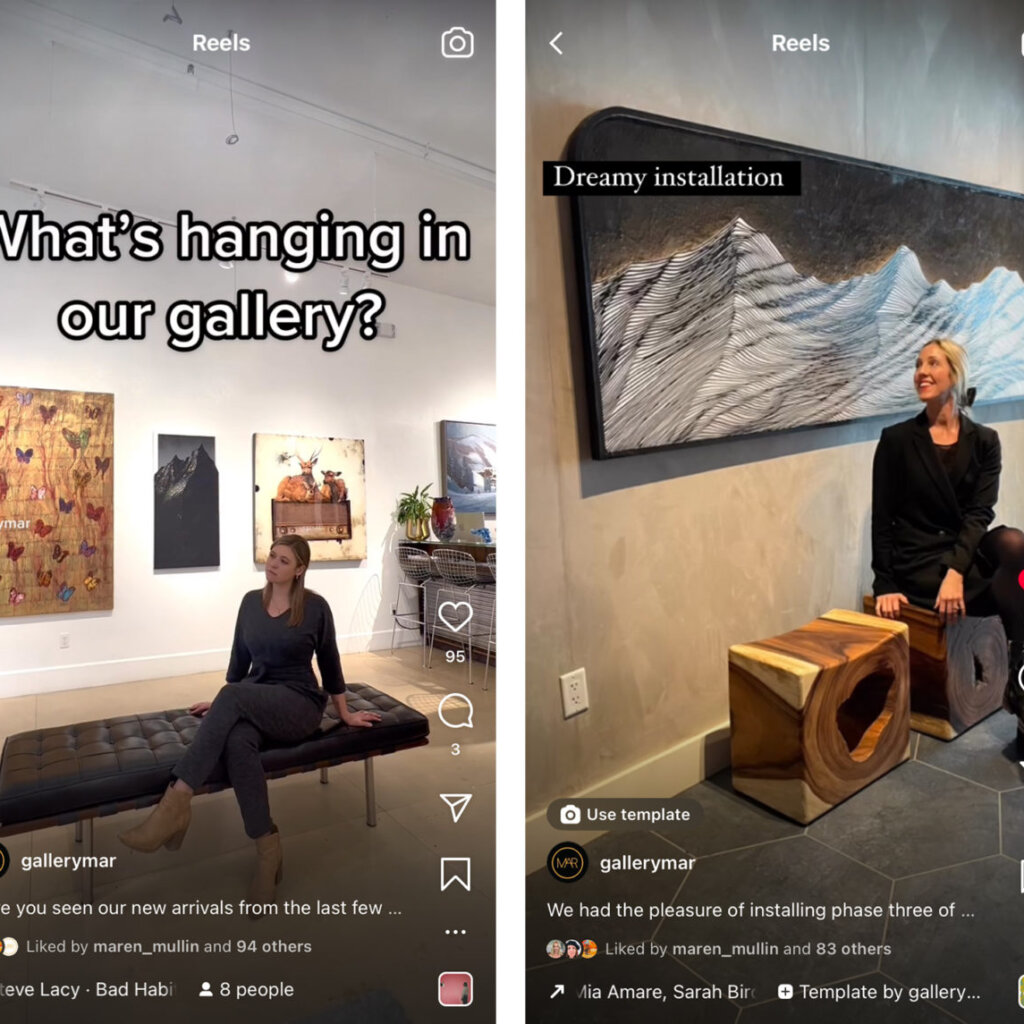
In the digital era, the creation, distribution, and reception of art have transformed more than in human history. At the heart of this evolution lies social media, which has not only altered how audiences discover art but also how artists create, collaborate, and sustain their livelihoods. This symbiotic relationship between art and social platforms has led to both opportunities and challenges that redefine the cultural landscape.
This article explores how social media reshapes artistic practice, community building, economic models, identity and representation, and the future of art in a digitally interconnected world.
Social Media as a New Canvas
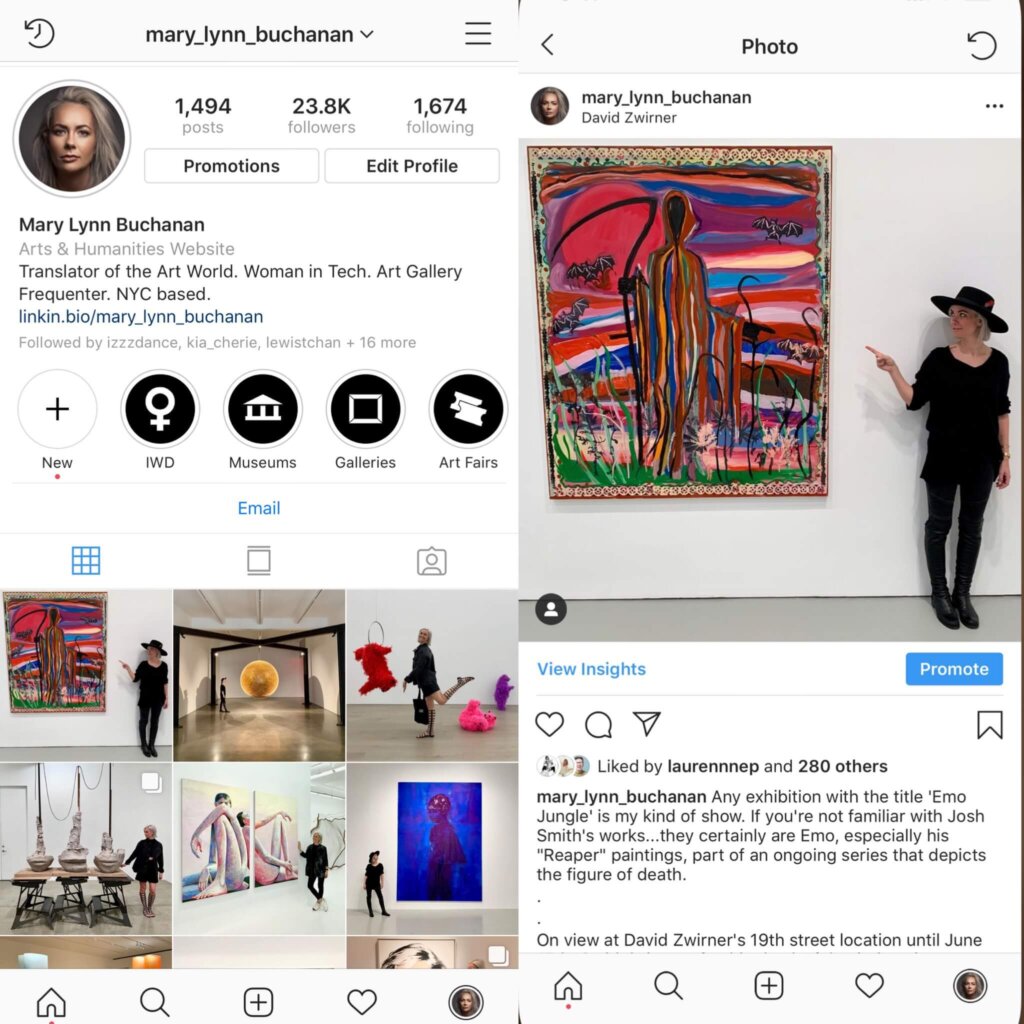
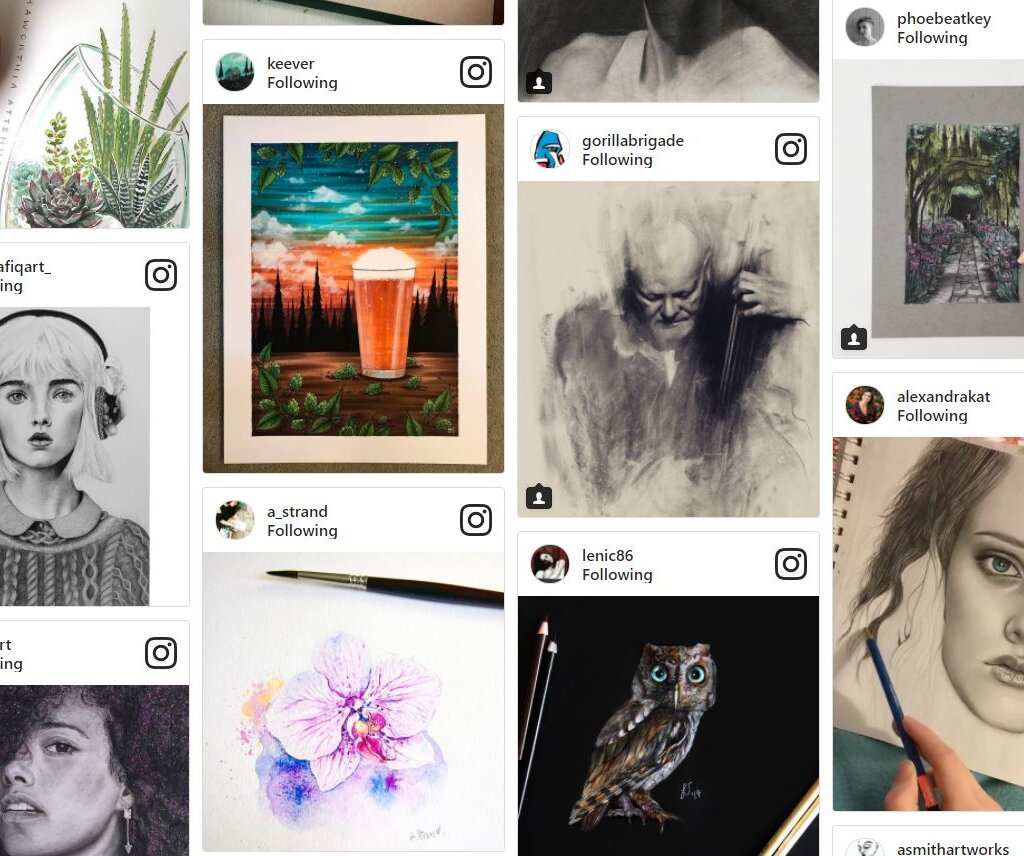
Art has traditionally existed in physical spaces — galleries, museums, public installations. With social media, these traditional boundaries dissolve. Platforms like Instagram, TikTok, Pinterest, and YouTube serve as expansive, global canvases where artists can exhibit work instantly and directly to viewers.
Social media’s impact on artistic visibility cannot be overstated. An artist no longer needs to rely solely on gallery representation or art fairs to gain exposure. A single post with the right hashtags can catalyze global recognition overnight.
Democratization of Exposure
Platforms have lowered barriers to entry. Emerging artists from diverse geographical and socio-economic backgrounds can present their work alongside established figures. This leveling effect reconfigures the power dynamics of the art world, enabling voices previously excluded from mainstream channels to flourish.
However, this democratization also brings competition and noise. Artists must carefully balance quality and consistency with algorithmic demands that favor engagement metrics over artistic depth.
The Algorithmic Gallery
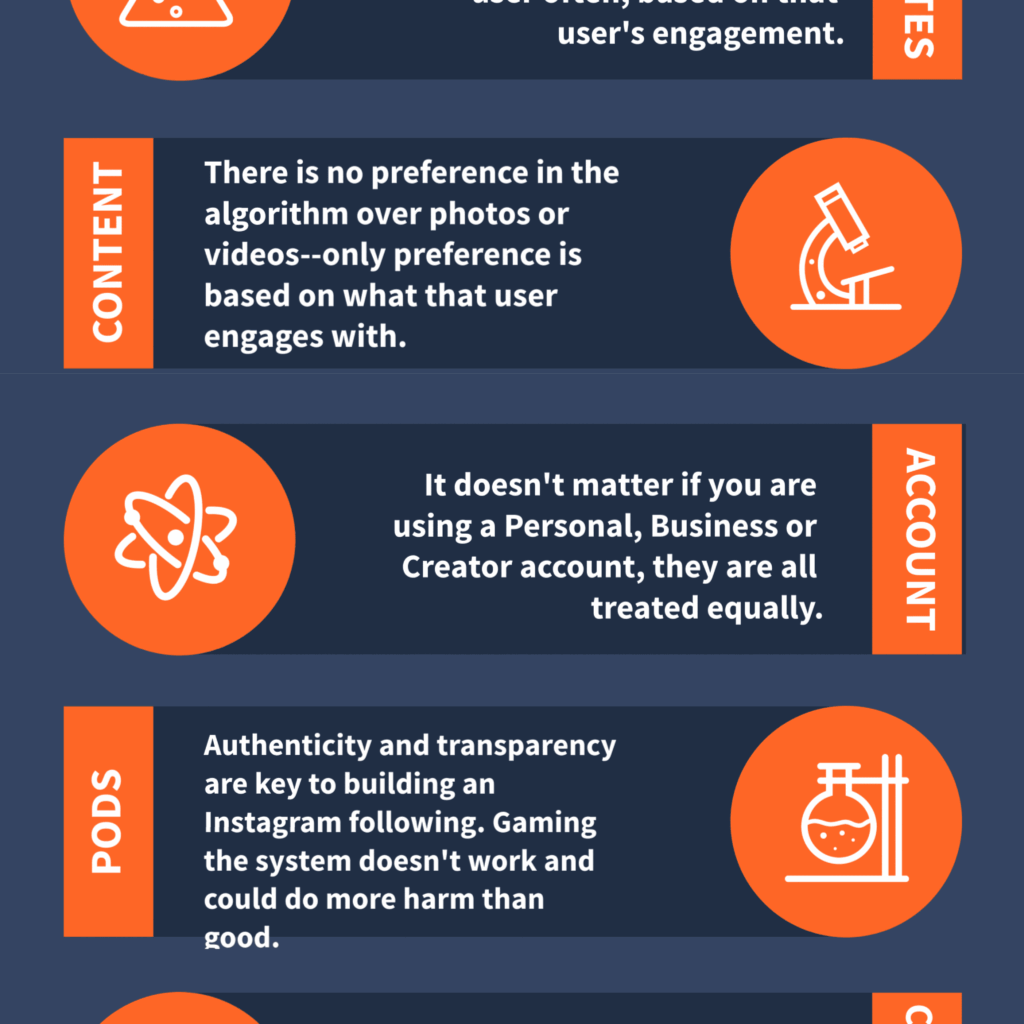
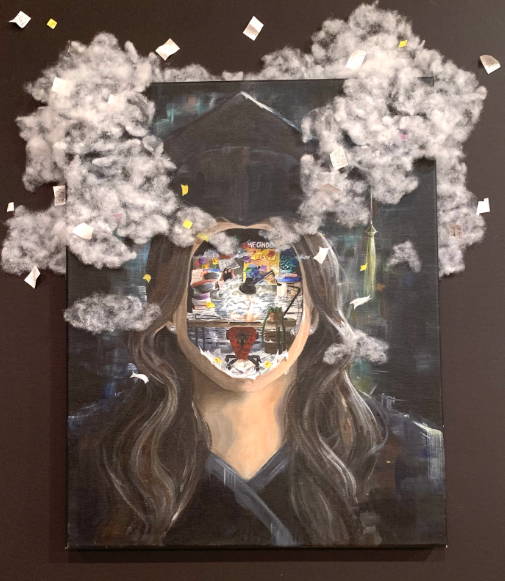
Social media algorithms — sets of rules that determine what content users see — have become pivotal in shaping art careers. Algorithms prioritize engagement: likes, shares, comments, and watch time. For many artists, understanding and optimizing for these dynamics is an essential skill.
Navigating Engagement Metrics
Success on social media requires a hybrid skill set. Artists must learn:
- Timing posts to peak engagement windows
- Crafting compelling captions
- Using trending audio and hashtags to boost visibility
These practices, while beneficial for outreach, can influence the artistic process itself, sometimes privileging style over substance.
Art and Virality
When an artwork goes viral, its reach can multiply exponentially. This visibility brings new opportunities, including commissions, collaborations, and media features. Yet, virality often values novelty and brevity — aesthetics that can overshadow nuanced or conceptually dense works.
New Forms of Artistic Expression
Social media doesn’t just display art — it inspires new art forms. Platforms encourage experimentation, remix culture, and collaborative creativity.
Video and Performance in the Digital Age
Video-based platforms like TikTok and YouTube have made motion a central form of artistic expression. Artists combine sound, movement, and visuals to create dynamic pieces that engage audiences in ways static images cannot.
Artists such as performance painters, digital animators, and mixed-media creators now produce content specifically formatted for mobile viewing.
Interactive and Participatory Art
Social media turns passive viewers into active participants. Comment threads, duets, stitches, and shares allow audiences to interact with artworks, remix them, and join creative processes — redefining what it means to experience art.
Community, Collaboration, and Culture
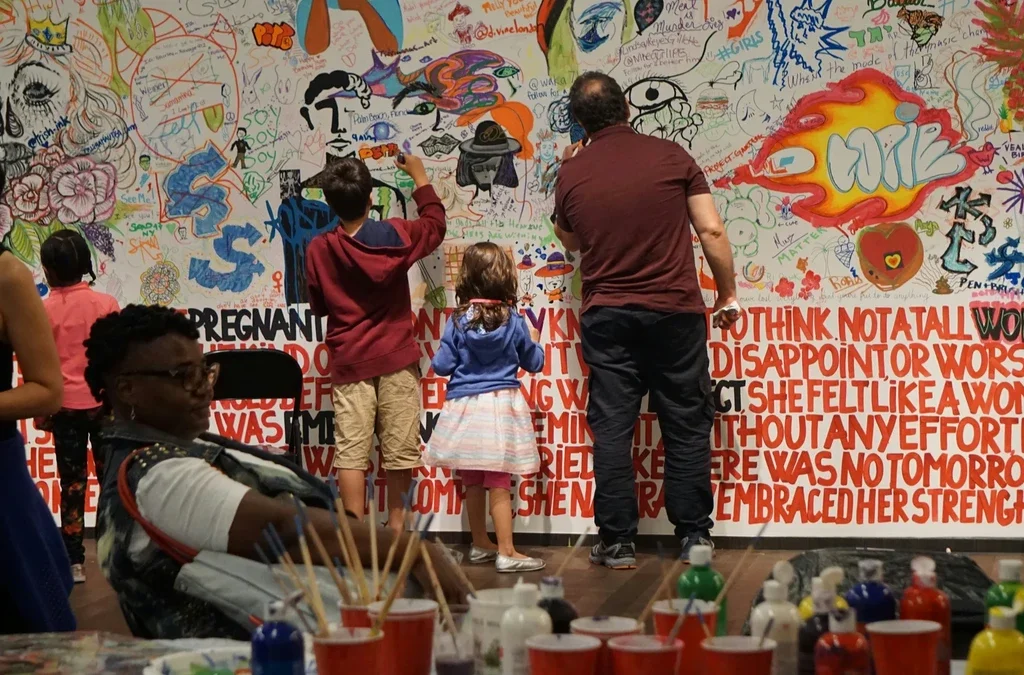
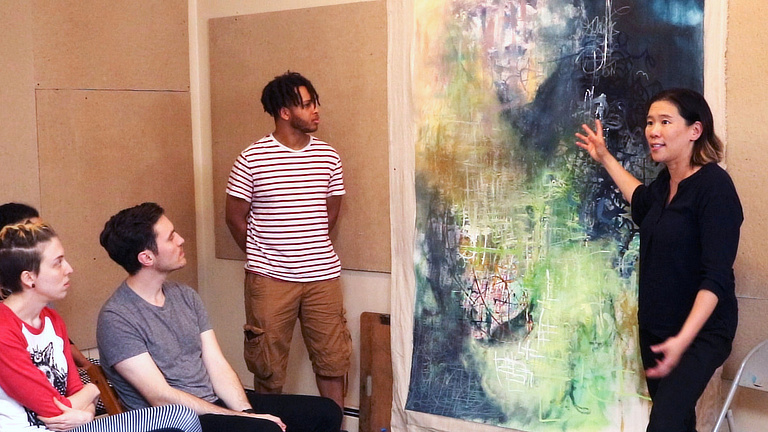
Art has always been a social practice, but digital platforms expand that sociality across global networks. Social media communities provide support systems, critique spaces, and collaborative opportunities.
Art Challenges and Hashtag Movements
Challenges like #Inktober or #DrawThisInYourStyle generate waves of participation, bringing visibility to participants and fostering creative exchange. These movements exemplify how shared creative prompts can unite diverse artists in collective exploration.
Global Dialogue and Diversity
Social media enables cross-cultural exchange, exposing creators and audiences to practices and perspectives beyond their local contexts. This global dialogue enriches artistic vocabularies and opens pathways for collaboration that transcend geographic limitations.
Economic Models and Creative Careers
Social media has upended traditional art market models, enabling artists to monetize directly through audiences.
Direct Support and Monetization
Platforms such as Patreon, Ko-fi, and OnlyFans allow artists to receive subscription support. Other creators sell prints, merchandise, or digital downloads via integrated shops on Instagram and Etsy links shared through social posts.
Brand Partnerships
Brands recognize the value of authentic creator audiences and often collaborate with artists for promotional campaigns. These partnerships provide income and exposure but require strategic branding and negotiation skills.
NFTs and Blockchain Platforms
While controversial, NFTs (non-fungible tokens) represent a significant shift. They allow digital artworks to be bought, sold, and owned on blockchain platforms, with artists receiving royalties on secondary sales.
The convergence of NFTs and social media allows artists to link tokenized works with social profiles — enabling discovery and proof of provenance in decentralized spaces.
Identity, Representation, and Cultural Impact
Social media amplifies underrepresented voices and supports identity-based artistic expression.
Art as Activism
Movements like #BlackLivesMatter and #MeToo have shown how art intersects with activism. Artists use social platforms to raise awareness, document experiences, and challenge societal norms. The immediacy and reach of social media give urgency and scale to cultural critiques.
Inclusive Representation
Artists from marginalized communities can share narratives that mainstream institutions have historically neglected. Through social platforms, creators assert control over representation and shape cultural conversations on their terms.
Challenges, Criticisms, and Ethical Concerns
Despite its benefits, social media’s influence on art is not without challenges.
Commercialization Pressures
Algorithms can incentivize sensationalism or mimicry over authentic creative exploration. This commercial pressure may lead artists to tailor work to platform trends at the expense of personal vision.
Mental Health and Comparison Culture
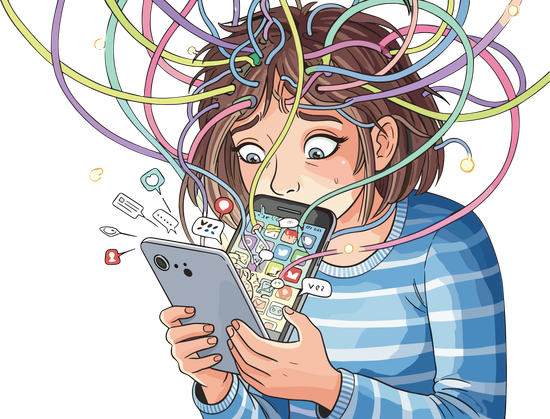
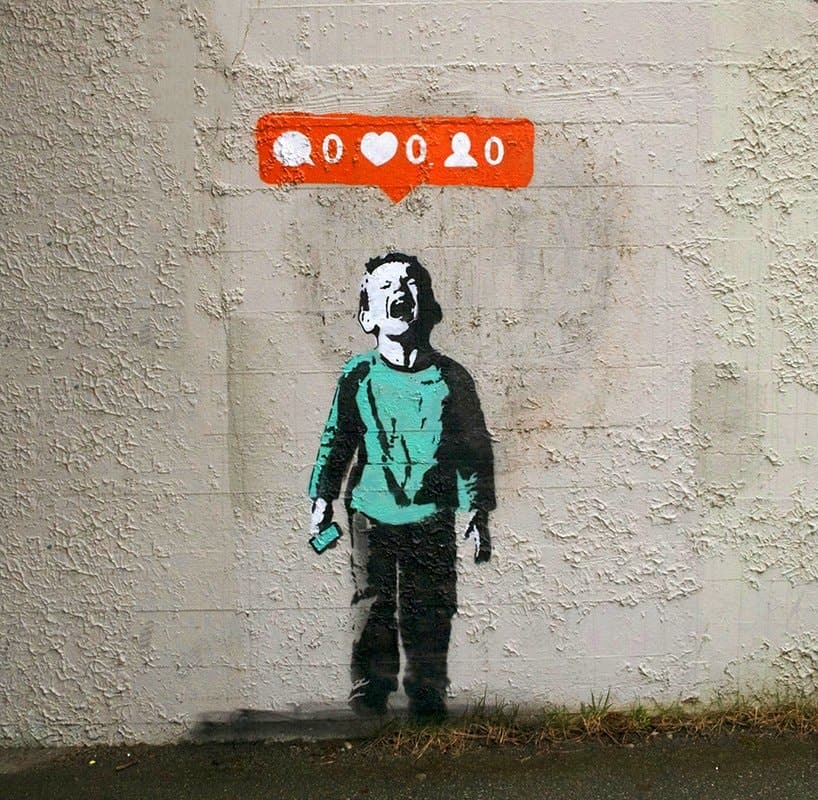
Constant visibility breeds comparison. Artists may struggle with self-worth metrics tied to likes and follows, leading to burnout or anxiety.
Copyright and Content Ownership
Sharing art online exposes work to unauthorized use. Watermarking and licensing strategies help protect rights, but digital content can be easily copied and redistributed without consent.
Case Studies: Art That Thrives on Social Media
Emergent Digital Artists
Many artists rise from relative obscurity via social media. Their stories highlight how consistency, community engagement, and strategic use of platforms can build sustainable creative careers.
Institutional Shifts
Museums and galleries now integrate social media into audience engagement strategies, offering virtual tours, behind-the-scenes content, and interactive Q&A sessions — further bridging institutional and public spaces.
Best Practices for Artists on Social Platforms
Build an Authentic Brand
Authenticity—not imitation—is the strongest long-term strategy. Audiences engage with genuine stories and creative journeys.
Understand Platform Nuances
Different platforms reward different formats:
- Instagram: high-quality visuals and carousel stories
- TikTok: short, dynamic video and trend interaction
- YouTube: long-form process videos and tutorials
Engage With Community
Respond to comments, participate in challenges, and celebrate peers. Engagement fosters loyalty and visibility.
Plan Consistent Content
Content calendars help maintain rhythm without sacrificing quality. Quality over quantity holds true, but consistency keeps audiences returning.
Protect Artistic Rights
Use watermarks, consider licensing tools, and share high-resolution work selectively to safeguard intellectual property.
The Future of Art in a Connected World
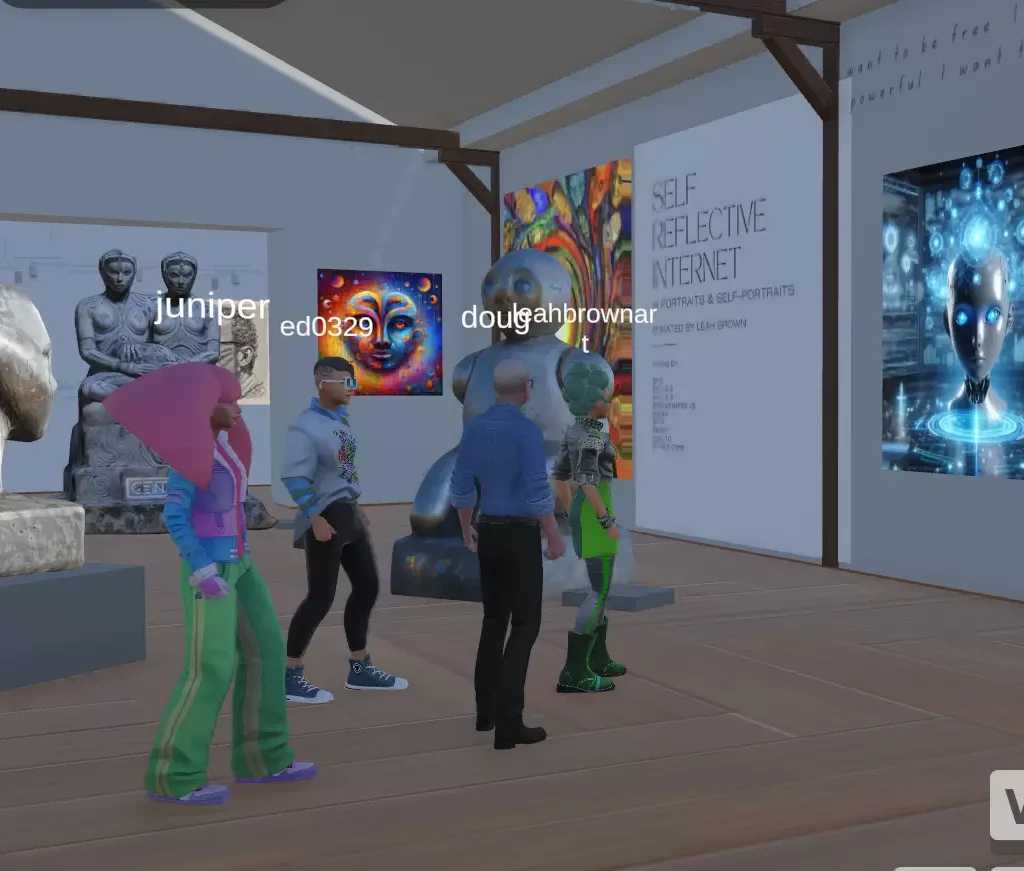
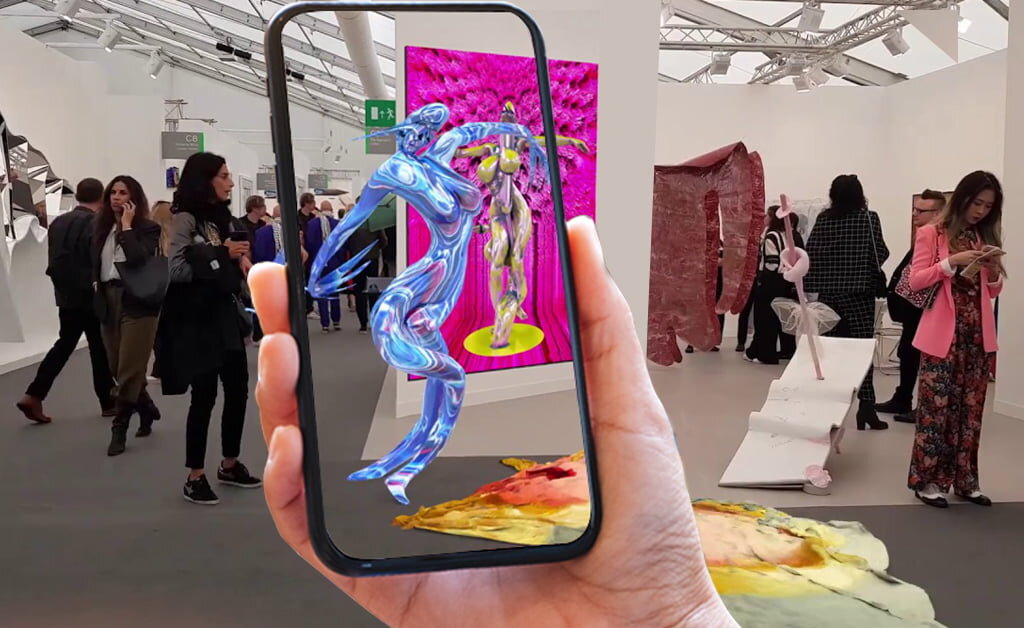
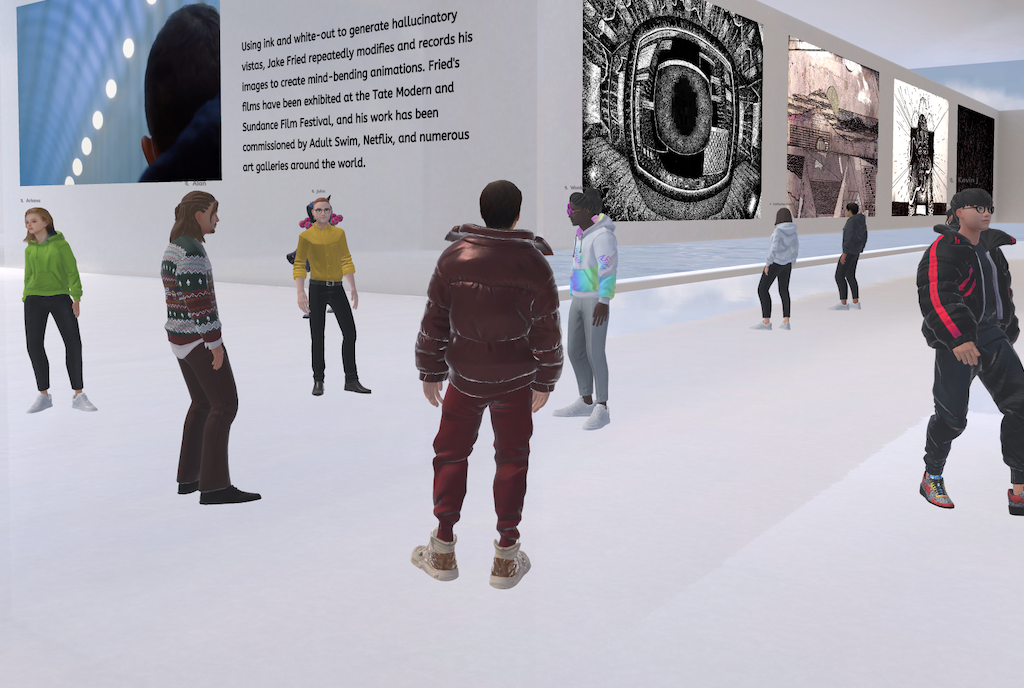
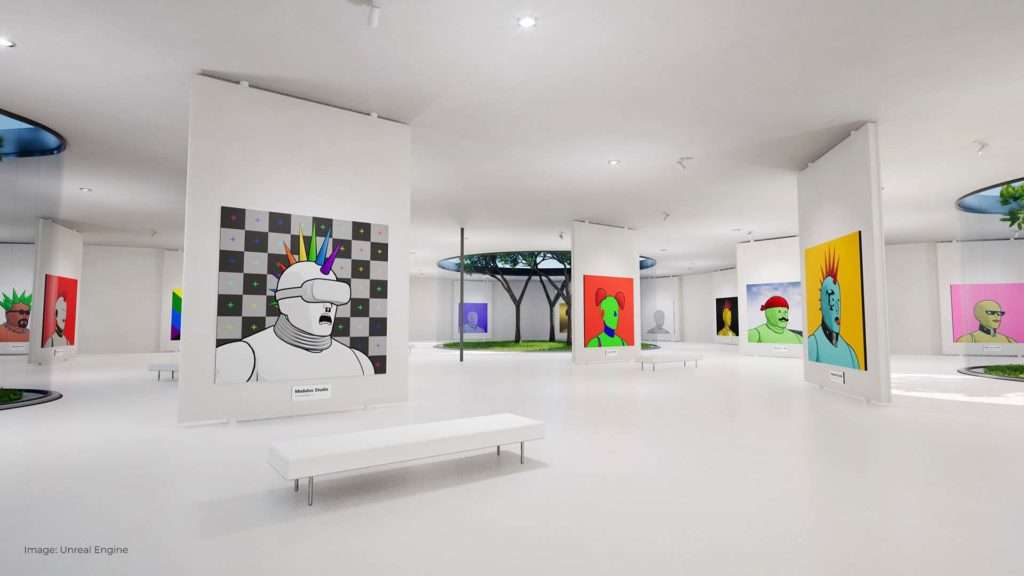
The future of art continues to be shaped by technological innovations intersecting with social media dynamics.
Emerging Technologies
Augmented Reality (AR), Virtual Reality (VR), and mixed reality spaces will provide immersive artistic experiences that transcend screens. Social media may act as gateways to these spaces, enabling discovery and participation.
Artificial Intelligence
AI tools offer new generative possibilities, enabling artists to expand creative boundaries while challenging definitions of authorship and creativity.
Sustained Cultural Impact
Digital connectivity amplifies global perspectives and accelerates cultural exchange. Art that resonates across borders may increasingly reflect hybrid identities, layered meanings, and communal narratives shaped by shared digital experiences.
Conclusion
Art in the age of social media is a hybrid ecosystem — one where creativity, technology, community, and commerce intersect. Platforms have empowered artists to reach global audiences while introducing algorithmic pressures that influence both process and practice. Navigating this landscape requires intentional strategy, authentic engagement, and adaptability.
Ultimately, the digital age does not diminish the value of art; it expands its possibilities. Creativity persists as a human force that reflects, challenges, and shapes the world — now amplified by the connective power of social media.