Color is one of the most powerful tools an artist uses.
Understanding color theory helps you:
- Choose colors intentionally
- Create harmony and contrast
- Evoke mood and emotion
- Mix colors accurately
- Improve compositions
This guide breaks down color theory into simple, actionable lessons—ideal for artists, designers, illustrators, and students.
🎯 What Is Color Theory?
Color theory is a set of guidelines artists use to understand:
- How colors relate
- How they interact
- How humans perceive them visually
It’s based on the color wheel first developed by Sir Isaac Newton.
🔹 The Color Wheel

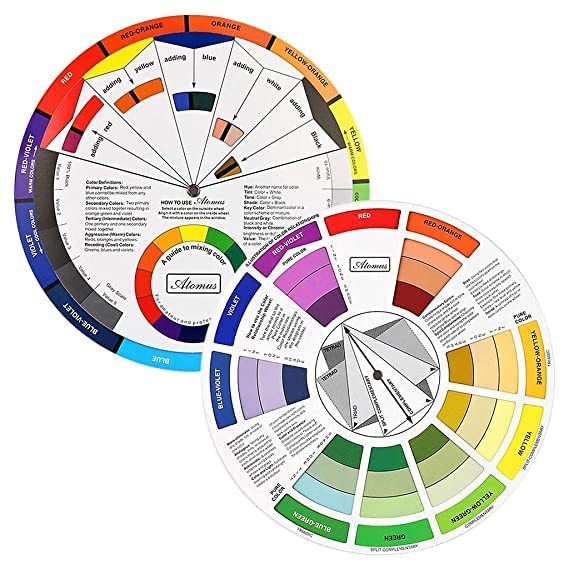
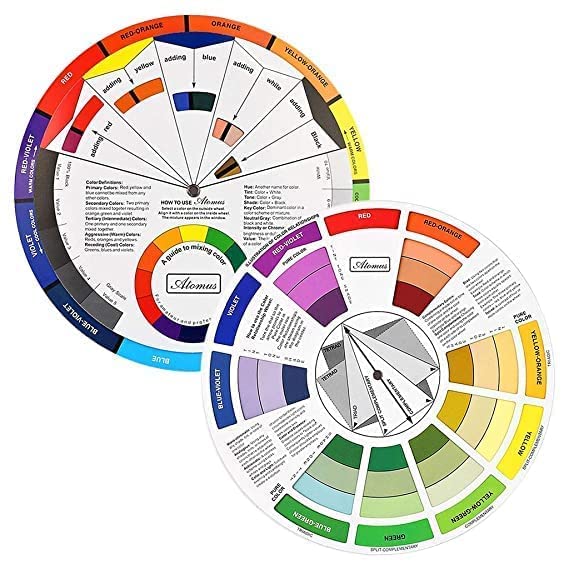
The color wheel is divided into
- Primary colors: Red, Blue, Yellow
- Secondary colors: Green, orange, and Purple
- Tertiary colors: Red-orange, Blue-green, etc.
External learning resource:
👉 Comprehensive breakdown of color wheels
https://www.colormatters.com/color-and-design/basic-color-theory


🎨 Color Properties Every Artist Should Know
These are the building blocks of color understanding:
| Term | Meaning | How Artists Use It |
|---|---|---|
| Hue | Pure color name (e.g., red) | Defines basic color identity |
| Value | Lightness/darkness | Creates form & contrast |
| Saturation | Intensity of color | Impacts mood & focus |
| Temperature | Warm vs cool | Creates depth & balance |
🎥 Video: Color Theory Basics for Artists
🎨 How Value Changes Color
Value is how light or dark a color is.
Artists use value scales to create form and contrast.
🖼 Value Scale Example

External resource:
👉 Value and color interaction explained— https://www.artistsnetwork.com/art-mediums/color-theory-beginners-guide/
🟥 Color Temperature: Warm vs Cool
Warm colors: Red, orange, yellow
→ Feel active, close, energetic
Cool colors: Blue, green, violet
→ Feel calm, distant, soothing
🖼 Warm vs Cool Visual
External resource:
👉 Comprehensive warm/cool separation—https://www.colormatters.com/color-and-design/color-theory
🎨 Color Harmony & Color Schemes
Harmony means colors look good together.
Common Color Schemes
| Scheme | Description | Uses |
|---|---|---|
| Complementary | Opposite on wheel | Strong contrast |
| Analogous | Adjacent hues | Harmony & softness |
| Triadic | Three equally spaced | Balanced contrast |
| Split-complementary | One plus two on either side | Subtle contrast |
| Monochromatic | One hue varied value | Minimalist |
🖼 Color Harmony Diagram

🎥 YouTube—Color Schemes Made Easy


🎨 Mixing Paint—Practical Color Theory
When mixing paint or digital colors:
✔ Start with primary colors
✔ Avoid mud by mixing complementary neutrals gently
✔ Use value first, then saturation
Mixing exercise:
- Mix red and yellow → orange
- Add a small blue to mute the tone.
- Create a neutral brown
External resource:
👉 Guide to paint mixing—https://www.paintable.cc/color-mixing-tutorial/
🎯 Color in Composition
Color isn’t just decoration—it influences:
- Visual focus
- Depth perception
- Emotional impact
- Narrative storytelling
Example: Use cooler colors in the background to push elements back.
🖼 Composition with Color Example
🧠 Color Contrast Principles
- Value contrast → Light vs dark
- Hue contrast → Strong color differences
- Saturation contrast → Intense vs muted
- Temperature contrast → Warm vs cool
🎥 Video—Understanding Color Contrast


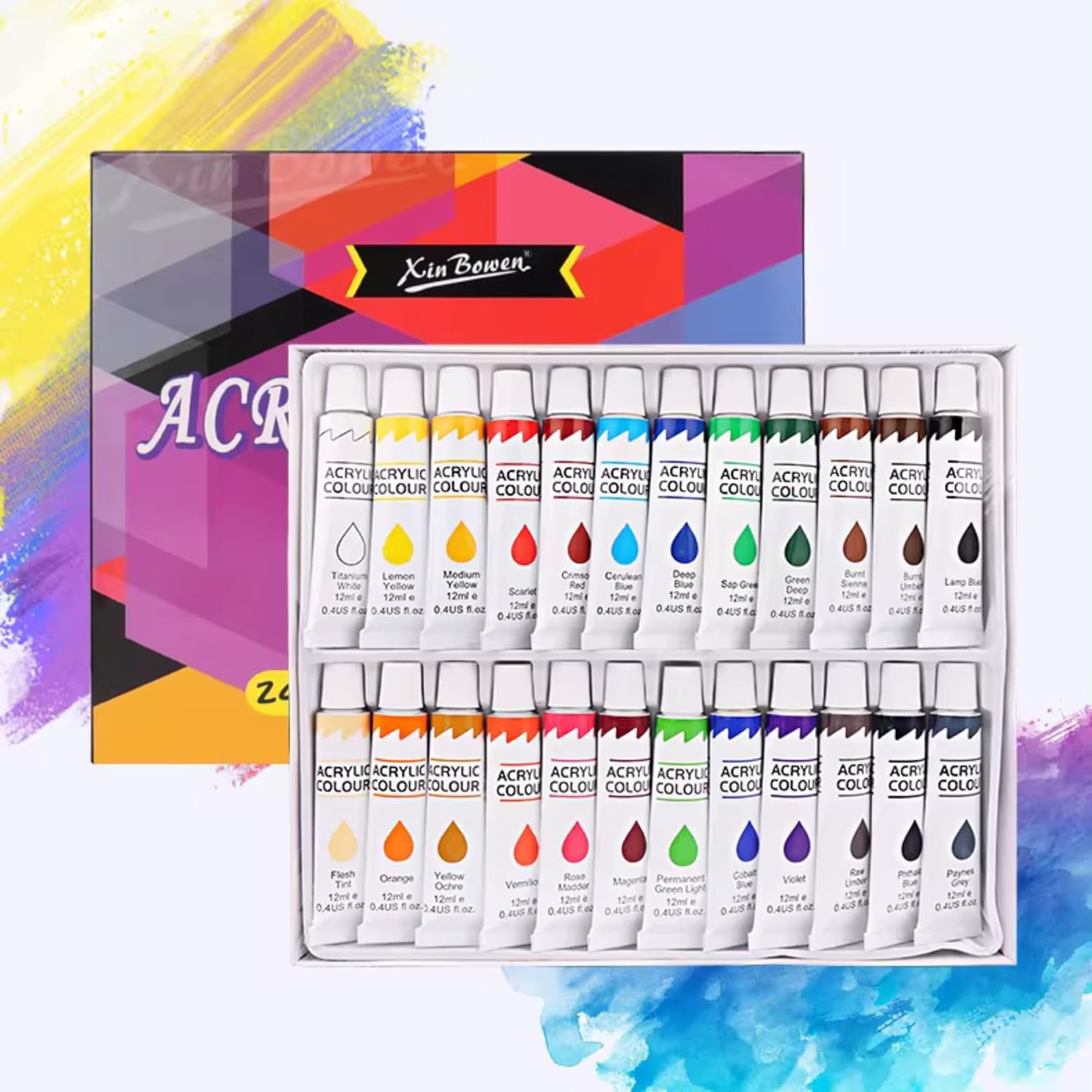
🎨 Practical Exercises: Improve Color Skills Fast
Keyword: color theory exercises for artists, beginners
Exercise 1—Color Wheel Painting
Create your own color wheel using paints or digital tools.
Exercise 2—Value Strips
Pick one hue and paint value strips from light to dark.
Exercise 3—Scheme Studies
Pick a color scheme (e.g., analogous) and paint a simple scene using only those hues.
Exercise 4—Warm/Cool Landscape
Paint the same composition using a warm palette and then a cool palette.
📘 Color Mistakes Artists Make
| Mistake | Fix |
|---|---|
| Ignoring value | Test value first in grayscale |
| Muddied mixes | Add white or complementary sparingly |
| Too many colors | Limit palette |
| No dominant color | Pick one focal hue |