
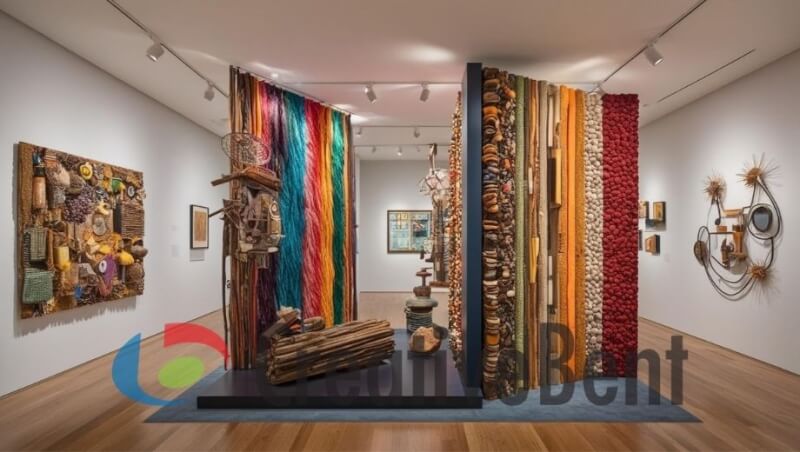
Installation art has evolved into a dynamic and immersive form of artistic expression, capable of altering environments, stimulating the senses, and eliciting thought in spectators. Installation artists use sculpture, multimedia, and spatial design to create immersive experiences that encourage viewers to explore and discover new things. This one-of-a-kind piece takes us on a journey through the fascinating realm of installation art, exploring its various forms, sensory depth, and potential to entirely change places.
The Development of Installation Art
Installation art originated in the early 1900s, when artists and innovators such as Marcel Duchamp and Kurt Schwitters challenged traditional notions of art and space. However, installation art did not gain widespread recognition as a distinct artistic genre until the later half of the century. Artists like Yayoi Kusama, Christo and Jeanne-Claude, and James Turrell pushed the frontiers of installation art, experimenting with themes, scales, and materials to create immersive experiences that challenged traditional artistic criteria.
Using the Senses
The concept of sensory participation is important to installation art. Installation art, unlike traditional art forms, asks the observer to actively participate. Installation artists use the senses of sight, sound, touch, and even smell to create multisensory spaces that immerse viewers in a realm of increased awareness and sensory inquiry. The immersive soundscapes, tactile materials, and interactive sculptures employed in installation art all invite viewers to interact with the piece in a very intimate and engaging manner.
Changing the Definition of Spaces
The distinction between architecture and art can be blurred by using installation art, which has the unique ability to transform ordinary areas into magnificent settings. Installation artists use their vision and resourcefulness to reimagine places, giving them new importance and purpose, whether they are bustling city streets or desolate warehouses. By repurposing materials, modifying dimensions, and shifting perspectives, installation art invites viewers to reconsider their relationship to the built environment and the larger world.
Concepts and Themes
Installation art incorporates a wide range of topics and concepts, reflecting the breadth of human experience and creativity. Installation artists use their creativity and knowledge to explore a wide range of topics, from social and environmental issues to identity and memory. Artists urge spectators to reflect on the complexities of the human condition and the society we live in by arousing their emotions, intellectual processes, and dialogue.
Engaging Moments
One of the things that sets installation art apart is its interactive character. In contrast to traditional artworks, which are usually viewed from a distance, installation art enables viewers to interact with the piece directly, transforming them from spectators to participants. Installation artists use interactive displays, computer interfaces, or live performances to allow viewers to shape their own experiences and contribute to the work’s evolving story.
As we dig deeper into the fascinating world of installation art, we are reminded of creativity’s transformative power to change environments, engage the senses, and inspire awe. Installation artists stretch the boundaries of artistic expression by creating immersive spaces and interactive experiences that invite viewers to leave their comfort zones and enter a world of endless possibilities. As we examine installation art, we are reminded of its limitless capacity to challenge, provoke, and enrich lives.


