🧠 Why Learning to Draw Realistic Faces Is Important
Realistic faces are one of the most challenging and rewarding subjects in art. Drawing faces improves:
✔ Observation skills
✔ Proportion understanding
✔ Shading and value control
✔ Confidence with complex forms
✔ Portrait accuracy
Instead of guessing features, artists use structured methods and ratios. Let’s learn them.
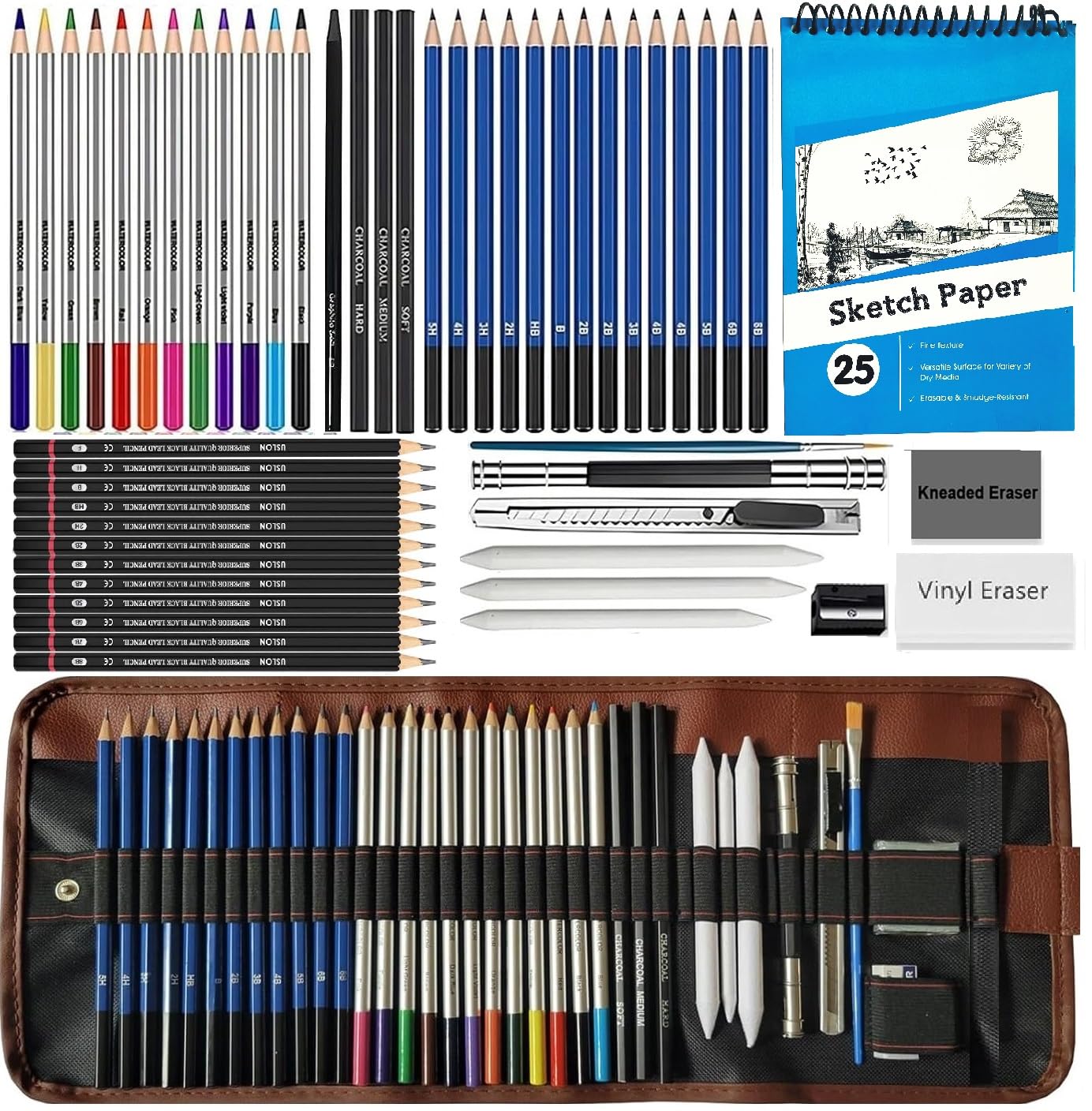
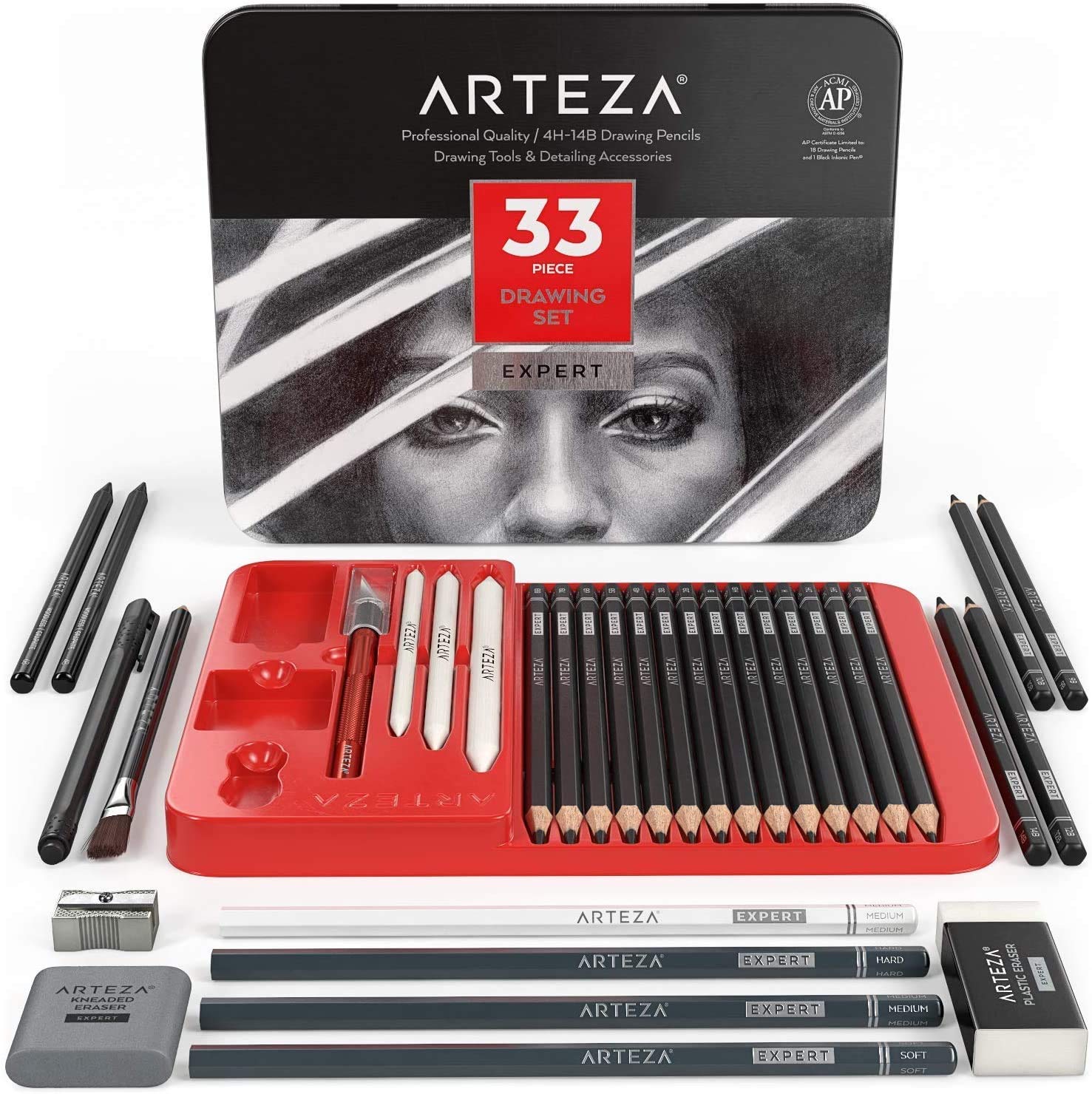
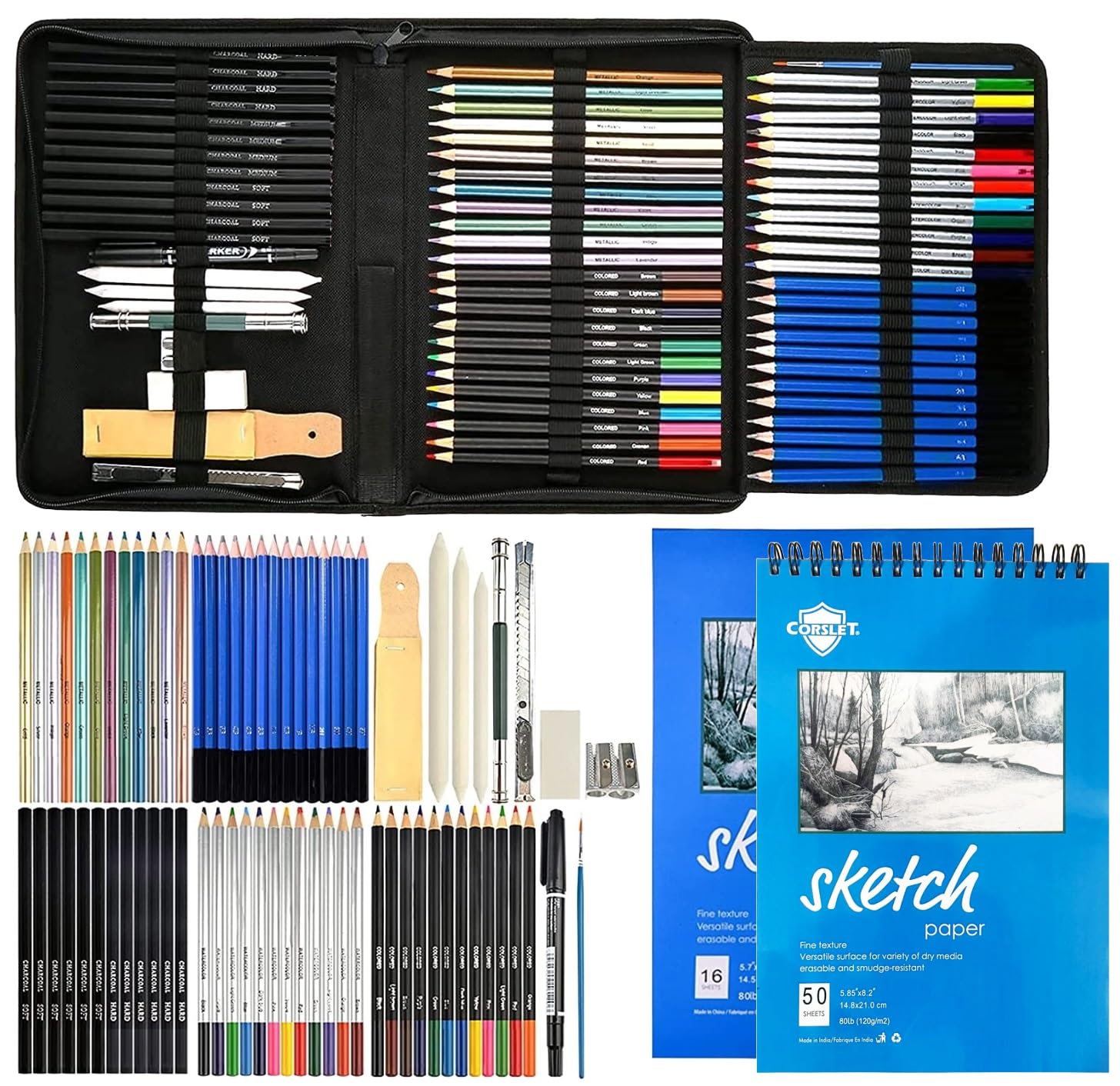
🔍 Getting Started: Tools You’ll Need
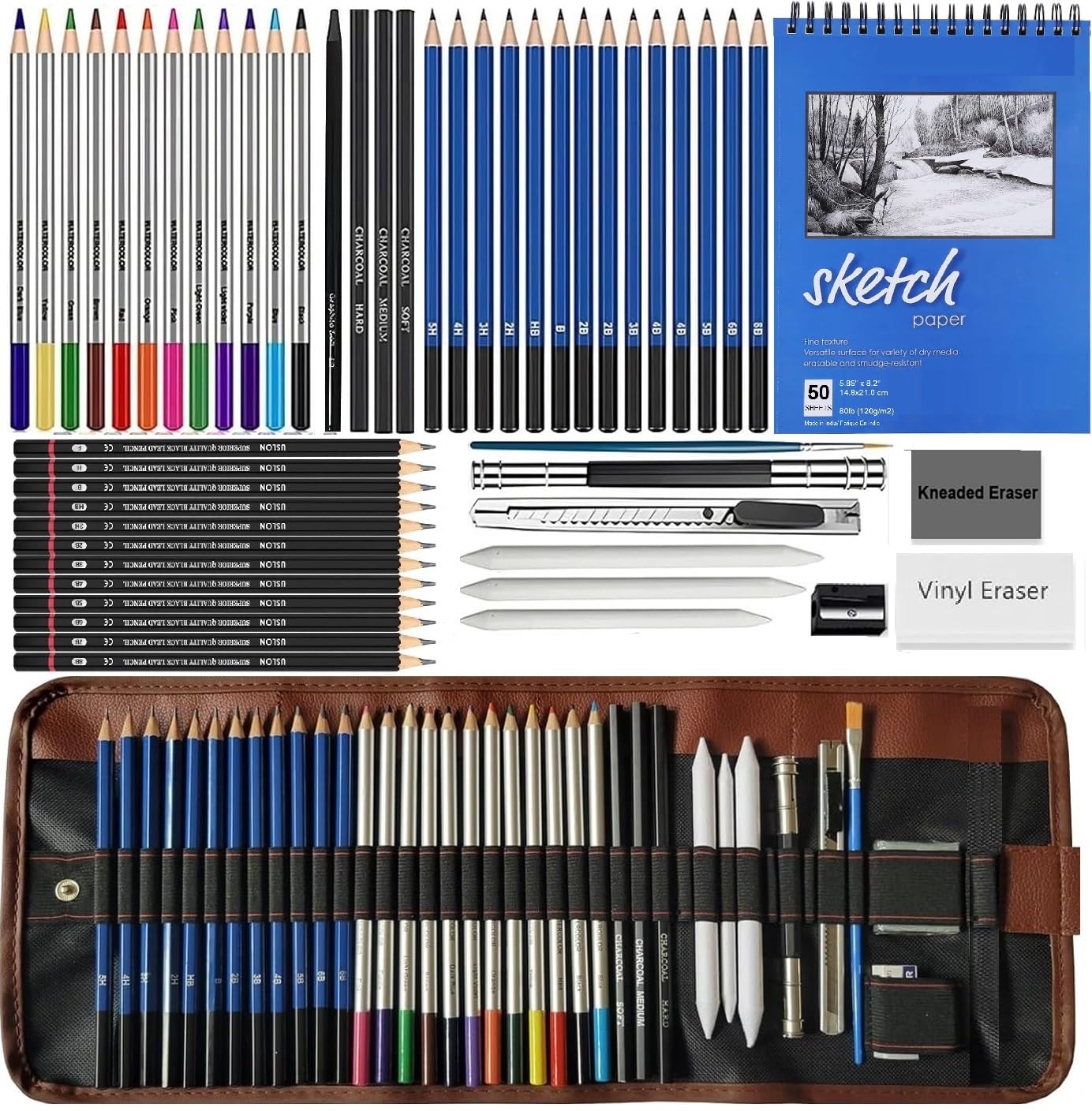
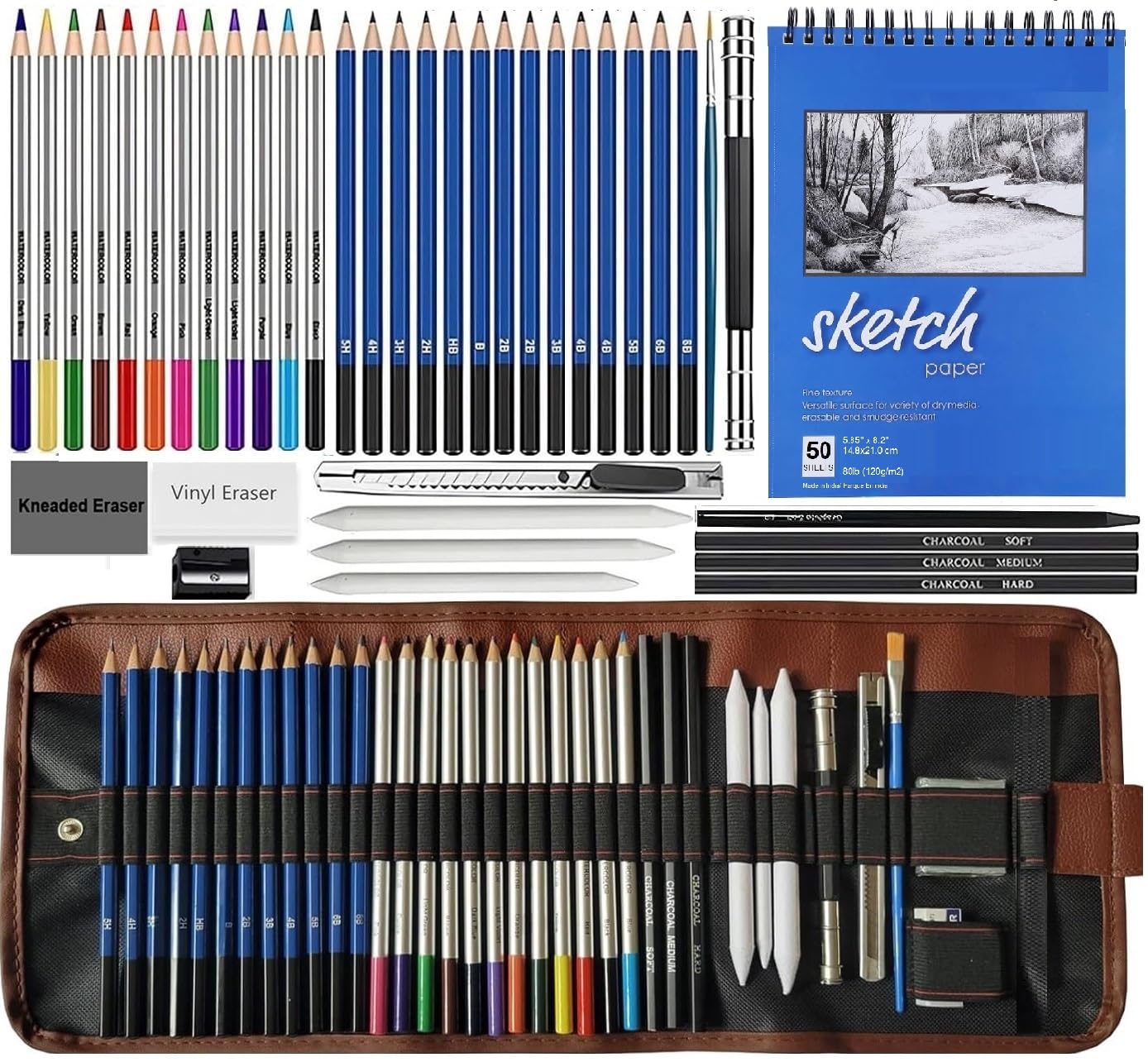
Before drawing, gather:
- Graphite pencils (HB, 2B, 4B, 6B, 8B)
- Kneaded eraser
- Drawing paper or sketchbook
- Blending a stump or a cotton swab
- Ruler or T-square
🖼 Face Drawing Tools

🎯 Core Principles of Drawing Realistic Faces
✔ Proportions
✔ Shapes & Planes of the Face
✔ Feature Placement
✔ Shading & Value
✔ Facial Expression
1️⃣ Drawing Facial Proportions (The Foundation)
Artists use a grid system to place features accurately.
Basic Proportion Guide
- Head shape = oval
- The eyeline is halfway down the head
- Bottom of nose = halfway between eyes and chin
- Mouth line = one-third below the nose
🖼 Perfect Face Proportions Diagram

🎥 YouTube Tutorial—Facial Proportions

2️⃣ Drawing Eyes with Realism
Eyes are the focal point of a portrait.
Steps
- Draw an almond shape
- Add iris & pupil
- Add upper eyelid shadow
- Highlight reflection
- Draw lashes lightly
🖼 Eye Close-Up Sketch

🎥 Eye Drawing Tutorial
Key Eye Tips
✔ Avoid harsh outline
✔ Blend midtones smoothly
✔ Add a small highlight for life
✔ Use a darker pencil at the pupil edge
External resource:
👉 Realistic eye anatomy tips—https://drawpaintacademy.com/how-to-draw-realistic-eyes/
3️⃣ Drawing the Nose with Volume
Always draw the nose using value and shadow, not lines.
Steps
- Identify bridge
- Shade the sides (nostril shadows)
- Add soft highlights at the tip.
- Soften edges
🖼 Nose Sketch Example

🎥 Nose Drawing Video


4️⃣ Drawing Mouths & Lips
Focus on shape and shading rather than outlines.
🖼 Lips Sketch Example

🎥 Lips Drawing Tutorial
5️⃣ Ears: The Forgotten Feature
Ears aren’t flat; they have curves, ridges, and shadows.
🎥 Ear Sketch Example
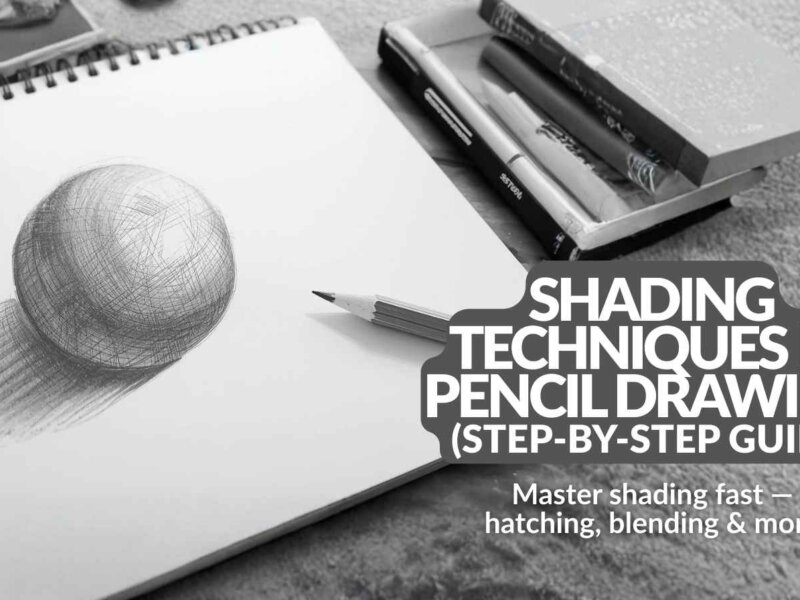
6️⃣ Shading the Face for Volume
To make a face appear three-dimensional:
✔ Identify light source
✔ Shade midtones first
✔ Add deep shadows
✔ Soften transitions
🖼 Face Shading Study

🎥 Video—Portrait Shading Tutorial


Face Drawing Mistakes to Avoid
| Common Mistake | Fix |
|---|---|
| Too many outlines | Use value for form |
| Eyes too big | Follow proportions |
| Sharp nose lines | Blend softly |
| Flat shading | Use value scale |
| Symmetry obsession | Soften both sides |
Practice Drills to Improve Fast
Daily 20-Minute Plan
| Day | Focus |
|---|---|
| Day 1 | Basic head shape |
| Day 2 | Eyes |
| Day 3 | Nose |
| Day 4 | Lips |
| Day 5 | Ears |
| Day 6 | Shading practice |
| Day 7 | Full-face sketch |
| … | Repeat + variations |
External practice reference:
👉 https://line-of-action.com/drawing
Light & Shadow in Portraits
Understand facial planes:
- Forehead
- Cheekbones
- Bridge of the nose
- Eye sockets
- Chin
Shadows create depth.
🎥 Facial Planes Diagram

Expression & Character
Realistic faces aren’t static.
Use subtle eyebrow shape, eyelid tension, and mouth curvature to express:
- Happiness
- Thoughtfulness
- Surprise
- Sadness
Practice by studying real faces/videos.
Emotional Expression Video