
If you have ever said, “I want to learn drawing, but I do not know where to start,” this guide is for you.
Drawing is not about talent. It is about observation, structure, repetition, and skill development. Anyone can learn the fundamentals of drawing if they follow a structured beginner roadmap.
In this detailed guide, you will learn:
- What materials beginners actually need
- Core drawing fundamentals explained simply
- Beginner shading techniques step by step
- Daily drawing practice plan
- Mistakes beginners make (and how to fix them)
- YouTube tutorials for visual learning
- External resources to improve faster
1. Basic Drawing Materials for Beginners
You do NOT need expensive supplies.
✏️ Essential Drawing Tools
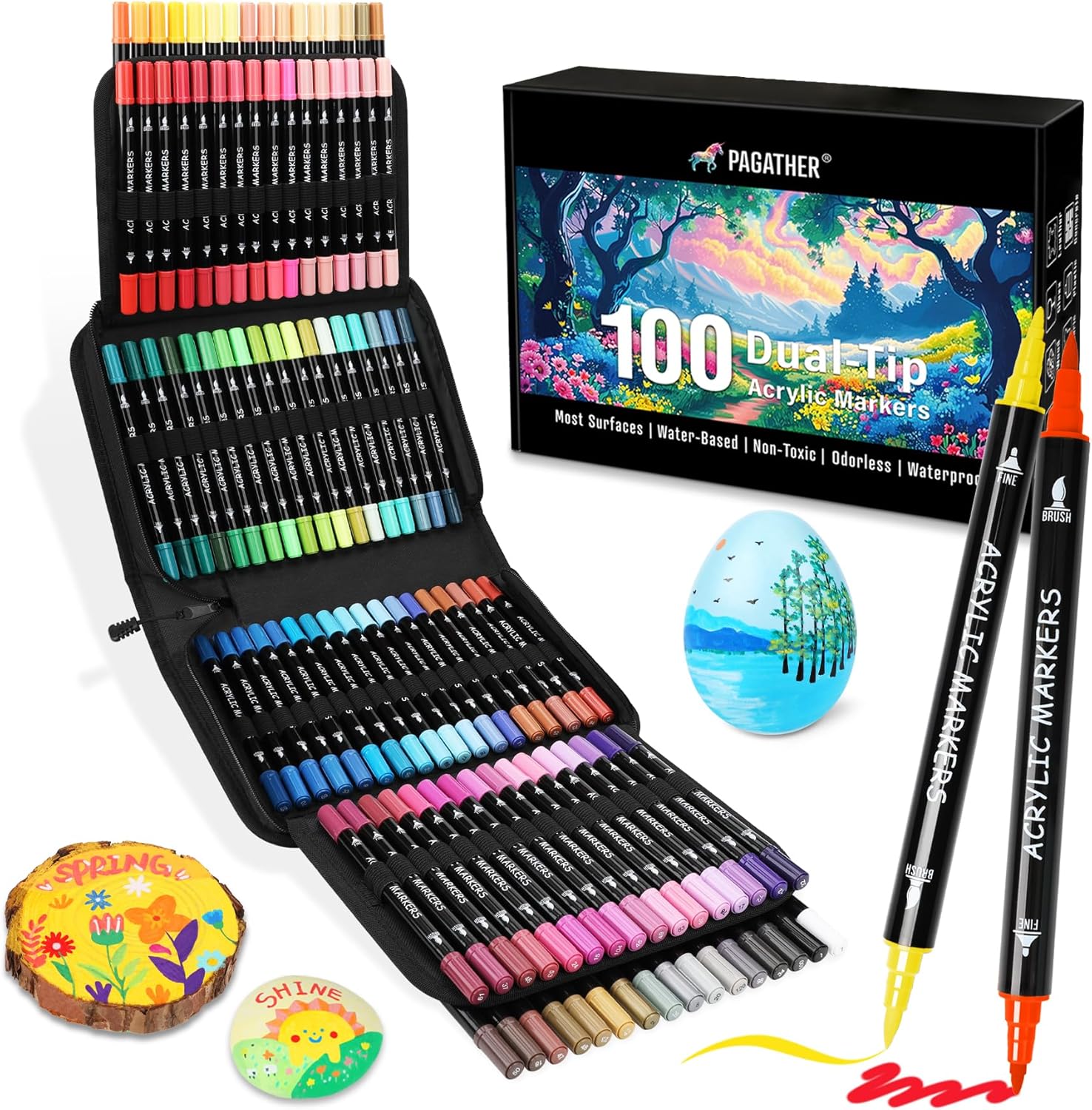
- HB pencil (general sketching)
- 2B pencil (darker shading)
- 4B pencil (deep shadows)
- A simple sketchbook (A4 size)
- Kneaded eraser
- Sharpener
💡 Beginner Tip:
Using limited tools forces you to focus on drawing skills rather than materials.
For deeper fundamentals, you can explore structured beginner tutorials at
https://www.artistsnetwork.com/drawing-for-beginners/
2. Drawing Fundamentals Every Beginner Must Master
Before drawing portraits or landscapes, you must master foundations.
2.1 Lines and Control
Everything begins with lines.
Practice:
- Straight lines
- Curved lines
- Light to dark pressure control
- Long confident strokes

Spend 10 minutes daily drawing only lines.
2.2 Shapes: The Secret Behind All Drawings
Everything is built from:
- Circles
- Squares
- Cylinders
- Cones
- Spheres
A face? A modified sphere.
A bottle? Cylinder.
A house? Cube + triangle.
👉 This concept is explained clearly in beginner breakdown tutorials from Proko.
2.3 Light and Shadow (Shading Basics for Absolute Beginners)
If your drawings look flat, you are missing value contrast.
The 5 Basic Shading Elements
- Highlight
- Midtone
- Core shadow
- Reflected light
- Cast shadow

Practice shading spheres before drawing faces.
For structured shading tutorials, explore:
https://www.proko.com/course/drawing-basics/overview
3. Beginner Drawing Tutorials (YouTube Visual Learning)
Visual learning accelerates progress.
This tutorial explains:
- Where beginners struggle
- How to practice correctly
- Why copying improves skill
🎬 How to Practice Drawing Daily
Focus areas covered:
- Shading drills
- Daily repetition system
- Breaking objects into shapes
🗓 4. 30-Day Drawing Practice Plan for Beginners
If you want to know how to improve drawing skills fast at home, follow this.
Week 1 – Control & Fundamentals
Daily:
- 10 minutes of line practice
- 10 minutes circle and cube drawing
- 10 minutes shading gradient
Goal: Improve hand control.
Week 2 – Simple Objects
Draw:
- Cup
- Apple
- Bottle
- Shoe
Break them into shapes first.
Week 3 – Light and Shadow Focus
Draw one object under different lighting.
Study:
- Shadow direction
- Soft vs hard edges
- Contrast levels
Week 4 – Perspective Basics
Learn:
- One-point perspective
- Two-point perspective
Practice drawing:
- Simple room
- Road with buildings
For perspective fundamentals:
https://www.circlelineartschool.com/
⚠️ 5. Common Beginner Drawing Mistakes
❌ Drawing Symbols Instead of Observing
You think an eye looks like an almond shape.
In reality, it depends on angle, shadow, and lid fold.
Solution:
Draw what you SEE, not what you remember.
❌ Pressing Too Hard with a Pencil
Heavy pressure reduces control.
Solution:
Sketch lightly. Darken later.
❌ Skipping Fundamentals
Many beginners jump to portraits immediately.
Master:
- Lines
- Shapes
- Shading
Do this first.
📊 6. How Long Does It Take to Get Good at Drawing?
If you practice:
- 30 minutes daily → noticeable improvement in 30 days
- 1 hour daily → strong fundamentals in 3 months
- 1 year consistent practice → confident skill level
Consistency beats talent.
🧠 7. Best External Resources to Improve Faster
Here are structured and beginner-friendly resources:
🎓 Free Drawing Fundamentals
https://www.artistsnetwork.com/drawing-for-beginners
🎓 Proko Drawing Basics
🎓 Circle Line Art School
https://www.circlelineartschool.com
🎓 Line-of-Action (Practice References)
🎨 8. Beginner Drawing Projects
After 30 days, try:
- Self portrait
- Still life setup
- Perspective room drawing
- Hand study
- Eye shading study
Take progress photos weekly.
💡 9. Mindset for Beginner Artists
Most beginners quit because:
- They compare themselves too early
- They expect fast results
- They avoid fundamentals
Professional artists repeat basics for years.
Drawing is a form of visual training.
It is like going to the gym — improvement is gradual.
🏁 Final Thoughts
Learning how to start drawing for beginners step by step is not complicated.
It requires:
✔ Structured practice
✔ Mastering shapes
✔ Understanding light and shadow
✔ Daily repetition
If you commit to 30 days of focused practice, your confidence will increase significantly.