🧠 Why Shading Is the Heart of Realistic Drawing
If drawing is the skeleton of art, shading is the skin and texture. Without shading, every sketch feels flat and unfinished. Good shading brings:
- Depth
- Form
- Believability
- Texture
- Contrast
Whether you want to draw realistic portraits, objects, or landscapes, understanding shading techniques in pencil drawing is essential.
In this guide, you’ll learn:
✔ Pencil shading basics
✔ How to shade like a pro
✔ Five core techniques
✔ Common mistakes to avoid
✔ Practice drills
✔ Printable PDF guide
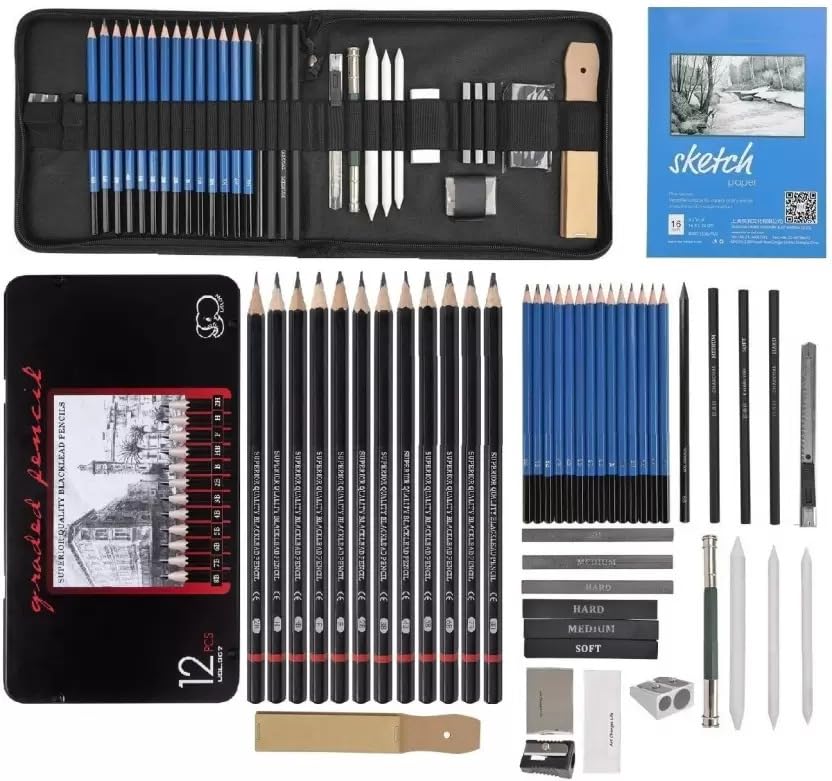
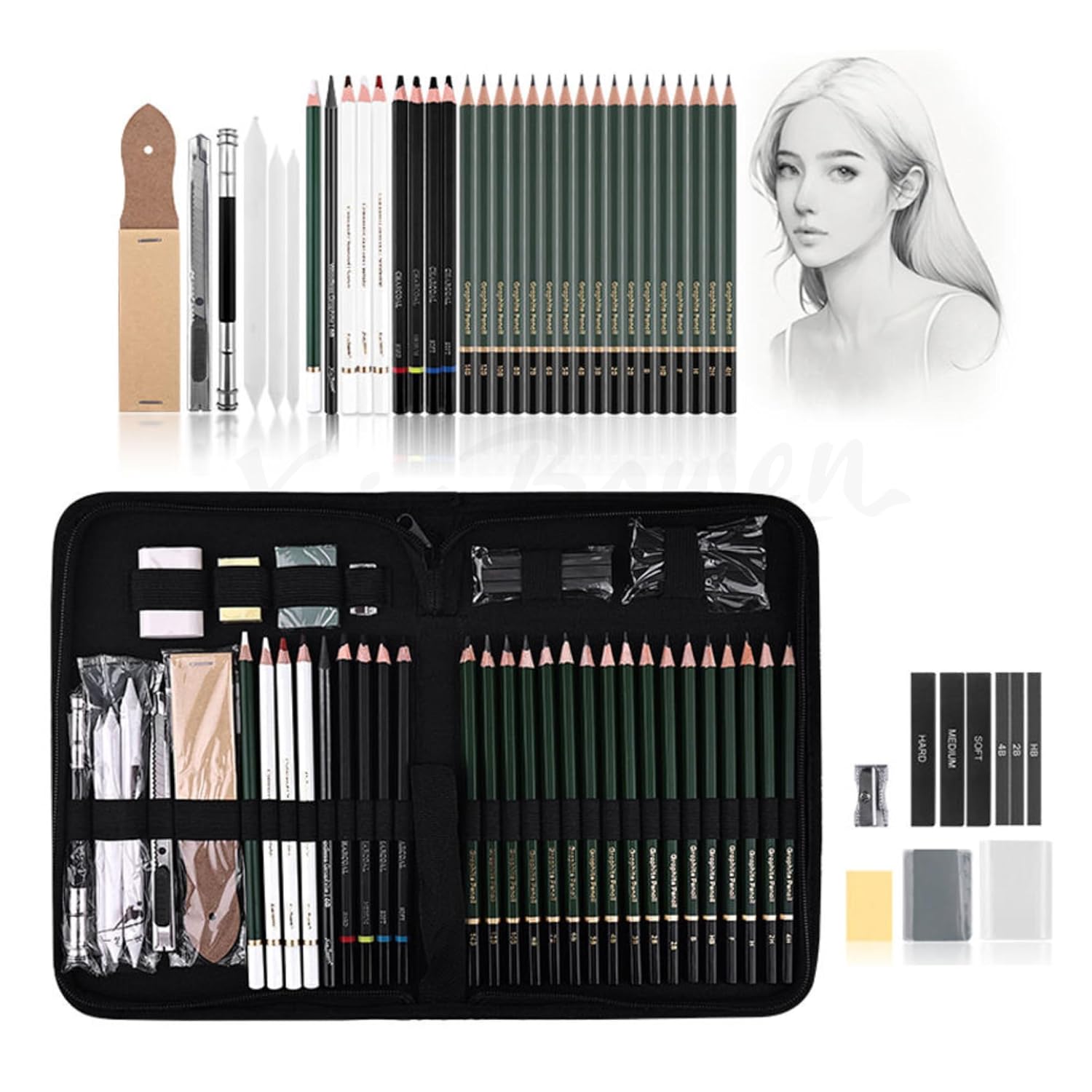
🛠️ Essential Tools for Pencil Shading
Before we begin shading, you need the right tools.
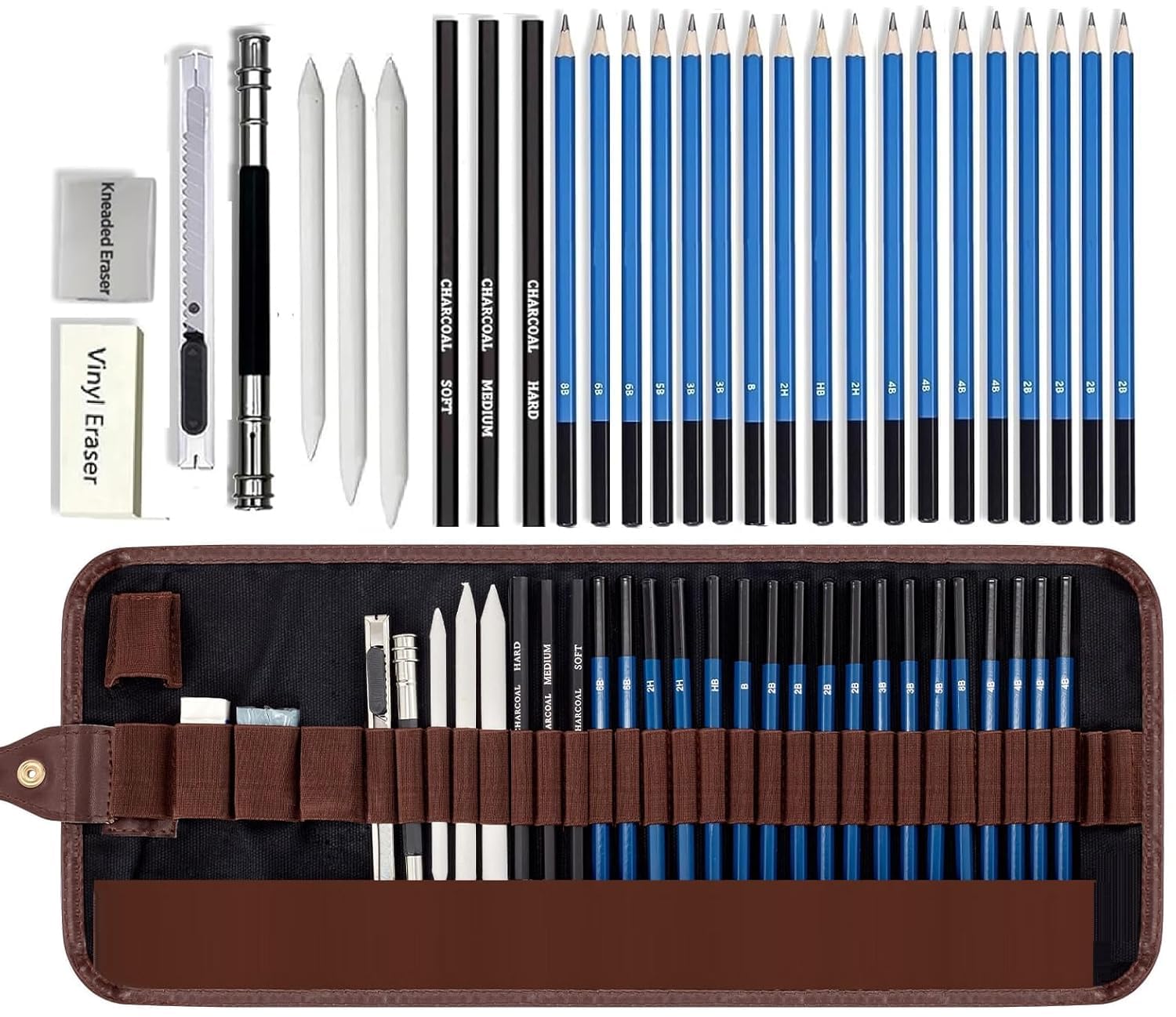
🎨 Recommended Supplies
- Pencil Set: HB, 2B, 4B, 6B, 8B
- Blending Stumps / Tissues / Cotton Swabs
- Kneaded Eraser
- Smooth sketchbook (≥ 180 gsm)
- Sharpener
🖼 Visual—Pencil Shading Tools

Tip: Softer pencils (4B–8B) create deeper darks. Harder pencils (HB) build light shadows.
🔍 Understanding Value & Light
Shading is about value—the range from light to dark. Great artists use a full value scale to capture form and dimension.
🖼 Value Scale Reference

A complete value range includes:
- Highlight
- Light tones
- Midtones
- Core shadow
- Reflected light
- Cast shadow
- Deep darks
Understanding these helps you map shadows accurately.
🎥 Reference Video: Pencil Shading Fundamentals
🚀 1. Hatching—The First Shading Technique
Hatching uses parallel lines to create shading.
How to Hatch
- Light, equally spaced lines
- Build value by increasing density
- Keep stroke direction consistent
🖼 Hatching Example
🔗 Learn More (External Resource)
👉 Hatching technique explained:
https://www.drawspace.com/lessons/view/hatching


🌫️ 2. Cross-Hatching—Adding Depth
Cross-hatching layers intersecting lines for darker tones.
Steps
- Hatching lines in one direction
- Add a second layer at a slight angle
- Continue layering for richer shadows
🎥 Cross-Hatching Demonstration
📎 External Resource
👉 Detailed cross-hatching study:
https://www.theartofeducation.edu/2019/02/07/exploring-cross-hatching/
☁️ 3. Blending—Smooth Realism
Blending softens harsh lines, creating gradual transitions.
Tools
- Stump/tortillon
- Tissue
- Cotton swab
How to Blend
- Apply graphite (light to medium)
- Blend in small circles
- Build layers
- Lift highlights with a kneaded eraser
🖼 Blending Example

🎥 Video—Smooth Blending Tutorial


✳️ 4. Stippling—Dot-Based Shading
Stippling uses dots to build tonal value.
How to Stipple
- More dots = darker
- Spread out = lighter
- Tight clusters = deep shadow
Great for textured effects, such as skin or stone.
🖼 Stippling Example

🌀 5. Circular/Swirl Shading—Seamless Tones
Small circular motions produce smooth gradients.
Steps
- Light circular strokes
- Build up graphite
- Blend lightly if needed
Ideal for spheres, faces, and organic forms.
🖼 Circular Shading Example
🎯 Practice Drills to Improve Fast
To improve shading skills quickly, practice these drills daily:
🕒 10-Minute Value Scale
Draw 10 boxes side by side, shaded from lightest to darkest.
🪵 Object Shading
Choose everyday items:
- Apple
- Mug
- Key
- Shoe
- Leaf
Break shapes into spheres, cylinders, and cubes—then shade.
🌀 Texture Studies
Practice shading:
✔ Fabric folds
✔ Wooden textures
✔ Metal reflection
✔ Hair strands
Reference library:
https://line-of-action.com/
👁 Observation Drawing
Place a real object in front of you.
Study:
- Light direction
- Core shadows
- Reflected light
- Cast shadows
This accelerates shading accuracy faster than copying photos.
⚠️ Common Shading Mistakes & Fixes
| Mistake | Fix |
|---|---|
| Pressing too hard | Use lighter layers |
| Hidden highlights | Protect whites |
| Harsh lines | Blend gradually |
| Use a full 0–9 scale | Use full 0–9 scale |

🧠 Applying Techniques to Real Subjects
Here are easy shading projects you should try:
1) Sphere
✔ Light source on one side
✔ Core shadow opposite
✔ Cast shadow grounded
2) Fabric Folds
Practice layering shading
3) Portrait Eye
✔ Start with light midtones
✔ Build shadows slowly
✔ Blend carefully
For portrait shading tips:
https://www.proko.com/
🎥 Realistic Shading Detailed Video
🪄 Advanced Shading Tips
✔ Always start light
✔ Build values gradually
✔ Use multiple techniques in one drawing
✔ Think in planes (not outlines)
✔ Study master drawings
📆 30-Day Shading Improvement Calendar
👉 Practice shading every day—just 30 minutes—with this plan:
Week 1: Value scale + simple shapes
Week 2: Hatching and cross-hatching
Week 3: Blending and stippling
Week 4: Real objects and texture studies