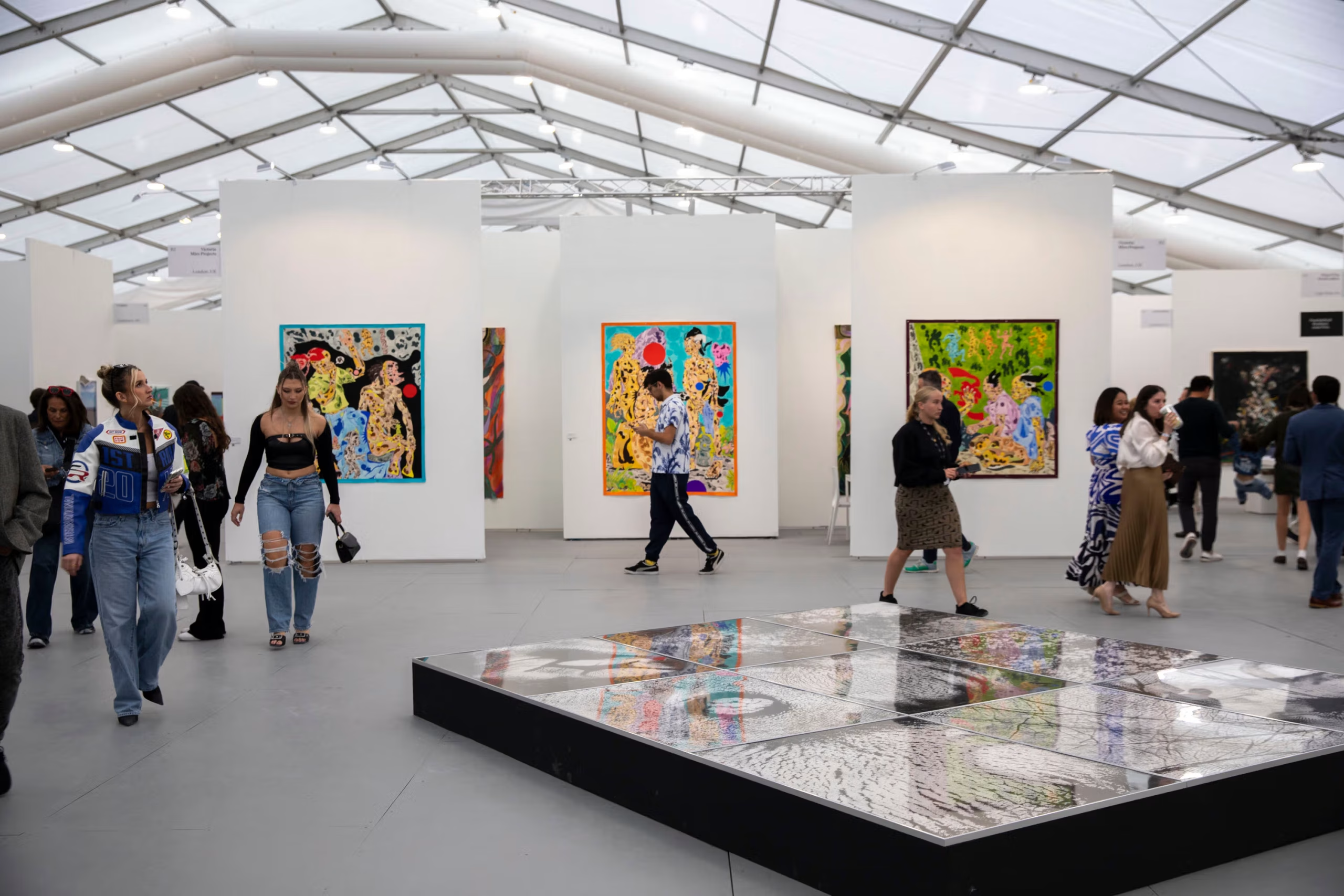
Art and commerce have intersected throughout history, but the modern business of art has expanded exponentially in complexity and scale. What was once a domain exclusively for patrons and elite collectors now includes digital marketplaces, global art fairs, social media promotion, and diversified revenue streams for creators.
From traditional gallery representation to the rise of artist entrepreneurship, navigating the art market requires both artistic skill and business acumen.
This article examines the intersection of creativity and economic strategy as experienced by artists, galleries, and industry professionals. We examine the art market structure, pricing strategies, branding and marketing, digital platforms, legal frameworks, and future trends.
The Contemporary Art Market


Market Landscape and Scale
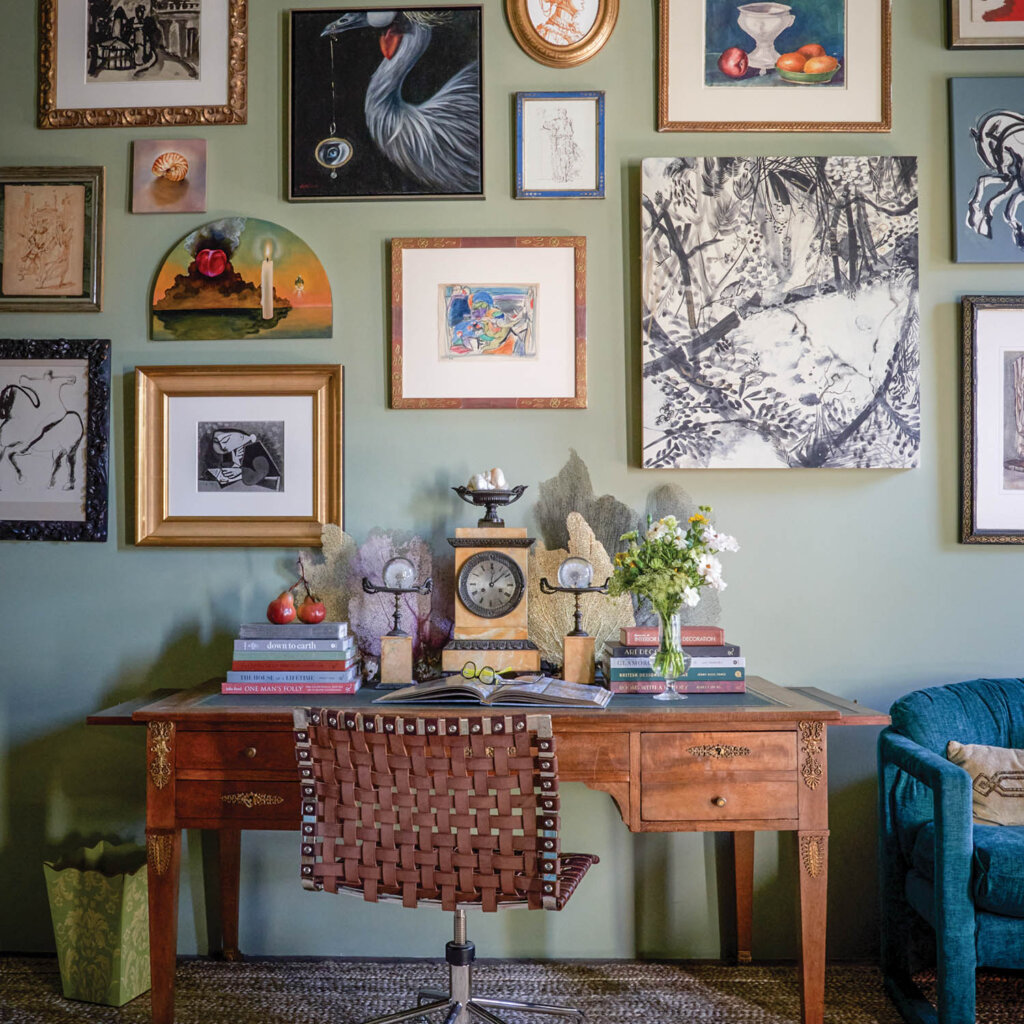
The global art market is a multibillion-dollar ecosystem, with key hubs in New York, London, Hong Kong, and Paris. The market includes auctions, galleries, private sales, online platforms, and institutional acquisitions.
Several major structures coexist:
- Auction Houses (e.g., Sotheby’s, Christie’s): These establish price benchmarks and drive premium sales for established artists.
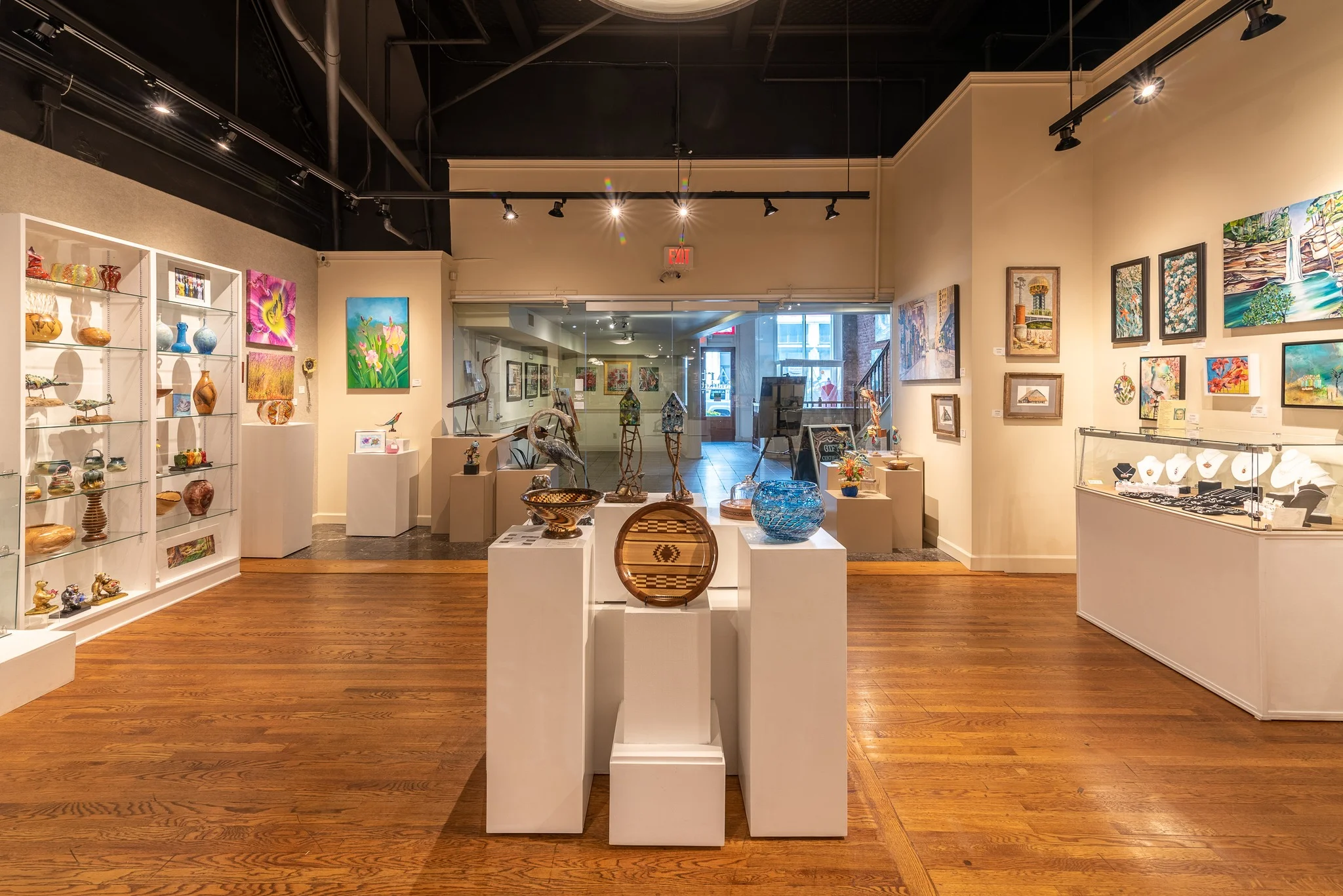
- Commercial Galleries: Galleries represent artists, curate exhibitions, manage sales, and cultivate collectors.
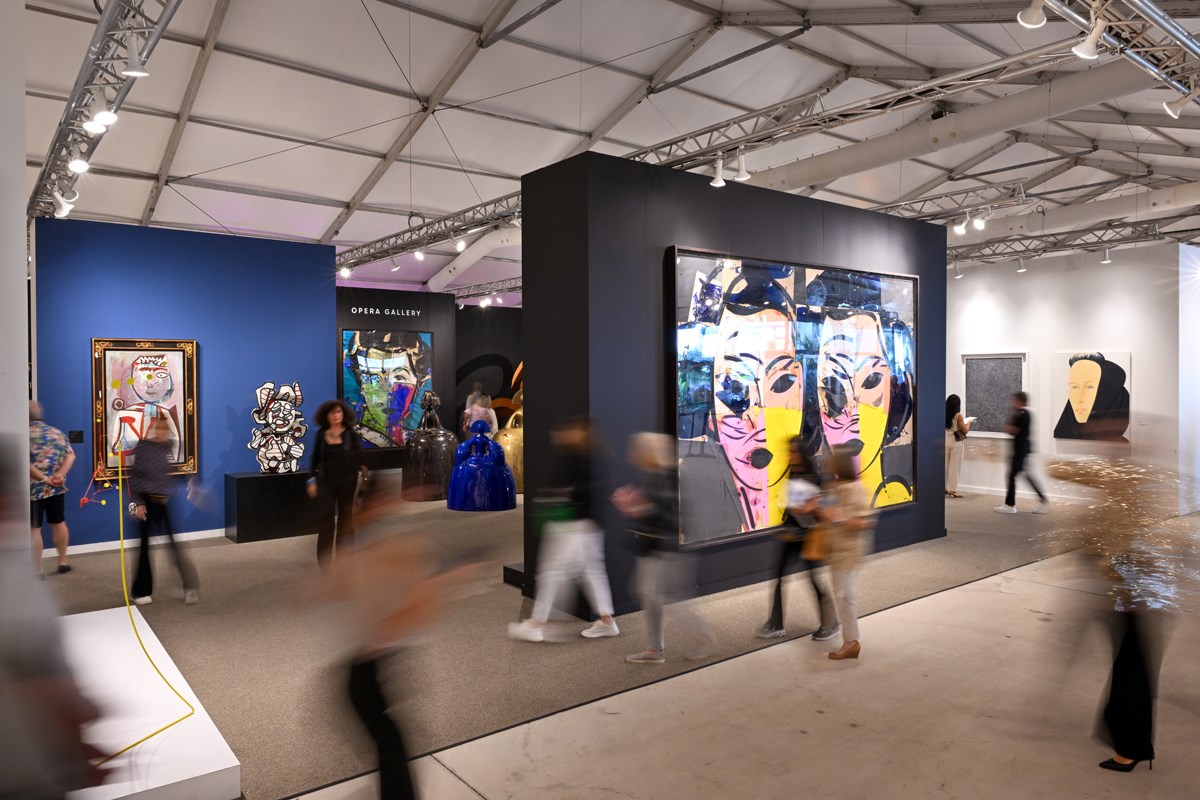
- Art Fairs: Temporary markets like Art Basel or Frieze bring global buyers and artists together.
- Online Platforms: Digital marketplaces now rival physical sales channels.
In 2024, the art market showed resilience with increased online transactions even as traditional sales venues regained momentum post-pandemic.
Artists as Entrepreneurs
Pricing Your Artwork
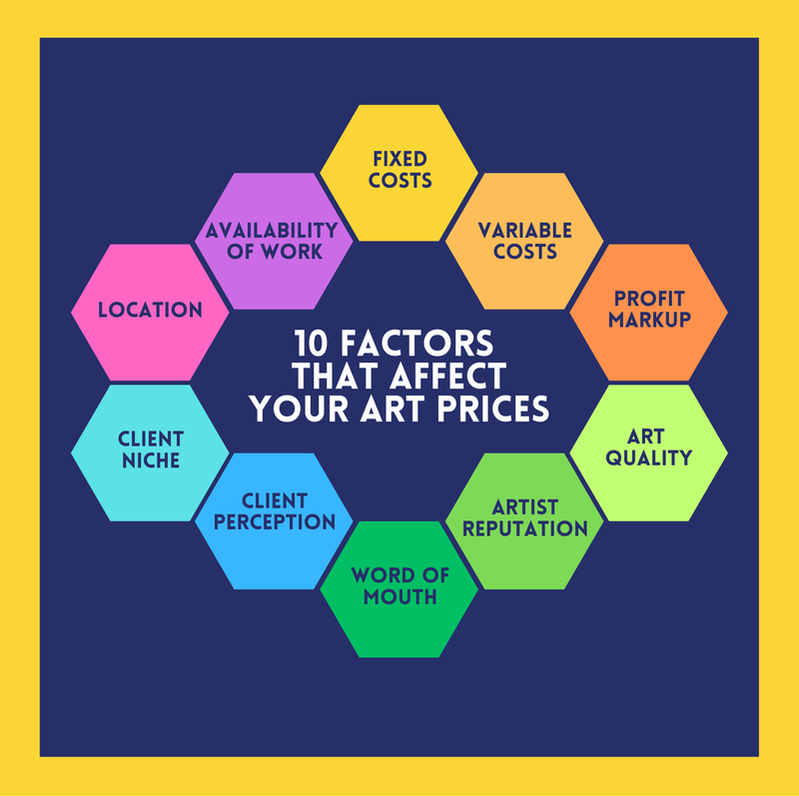
For many artists, the most challenging question is: How do I price my work?
Successful pricing strategies balance artistic value, market demand, and production costs:
- Cost-Based Pricing: Materials, time, and overhead.
- Market Pricing: What similar works sell for via galleries or online.
- Value-Based Pricing: Projected demand and uniqueness.
Brand and Identity Development
Artistic success increasingly depends on branding. Artists must present a distinct creative identity that resonates with audiences and collectors.
Elements of artist branding include:
- Consistency in visual language
- Professional artist statements
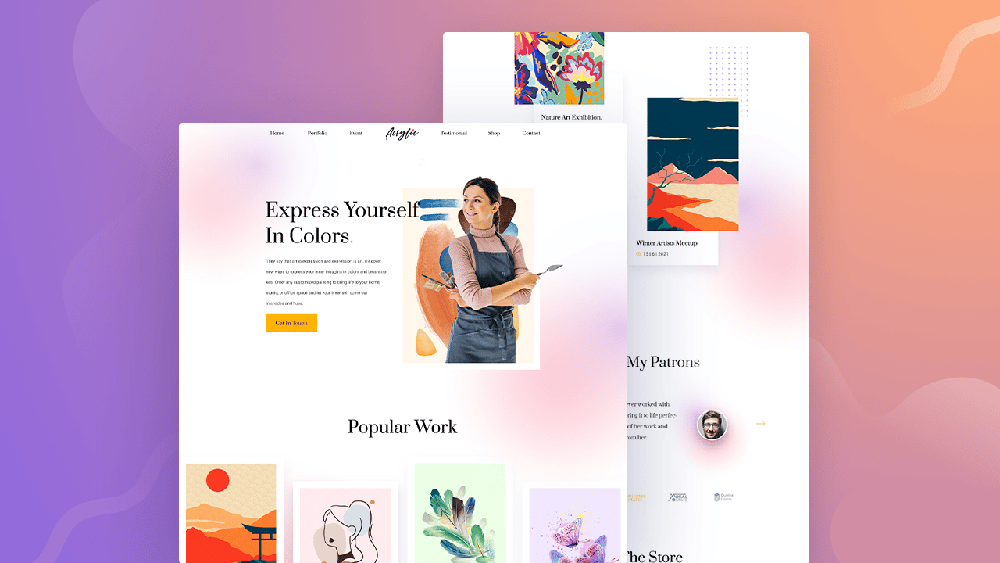
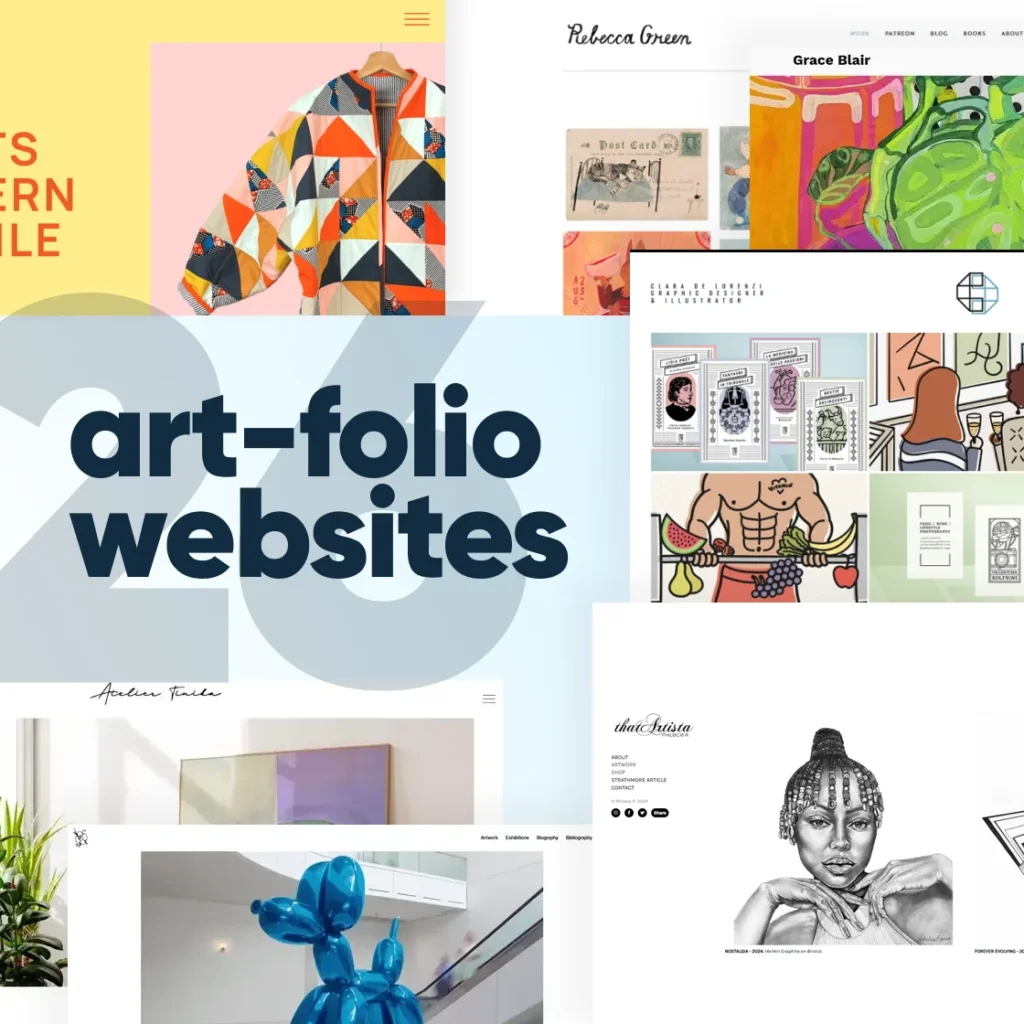
- Cohesive portfolio and website
- Active social media engagement
Personal branding transforms artists into recognizable and bankable creators.
Revenue Streams Beyond Sales
Artists no longer rely solely on gallery representation. Diverse income sources include:
- Commissions
- Prints and merchandise
- Workshops and teaching
- Licensing and collaborations
- NFTs and digital art monetization
These multiple revenue streams help stabilize income and reduce dependency on traditional sales channels.
Galleries: Gatekeepers or Catalysts?


Gallery Business Models
Galleries operate under several models:
- Traditional Representation: Galleries take a commission (often 40-50%) and promote artists through exhibitions.
- Project and Pop-Up Spaces: Short-term showrooms that test markets.
- Co-op Galleries: Artists share space and costs.
- Hybrid Galleries: Combine physical space with online reach.
Curators and Market Positioning
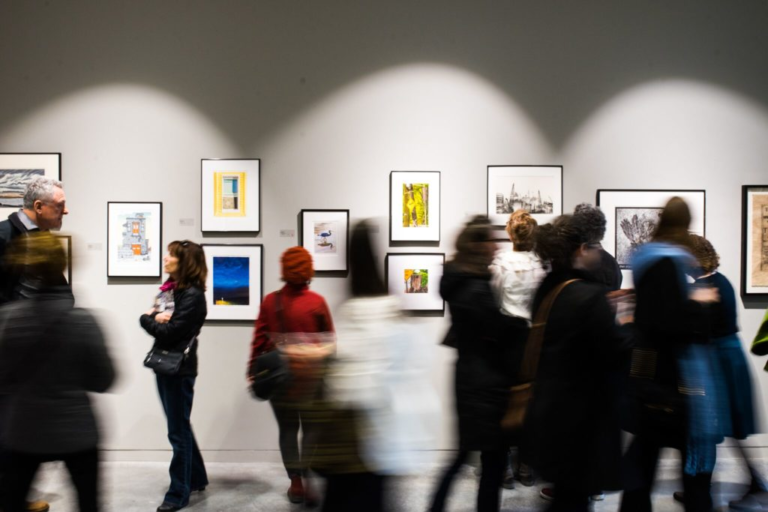
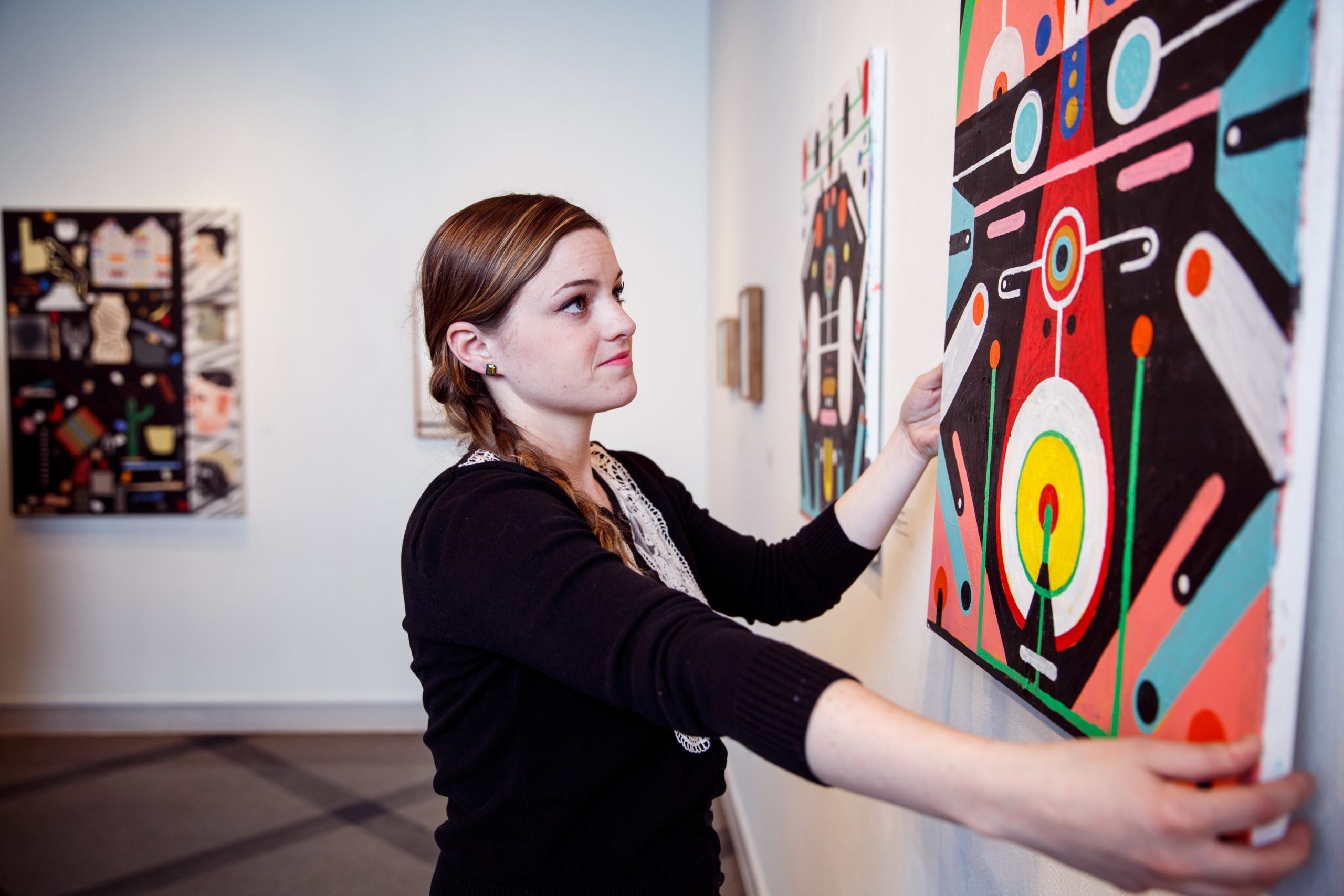
Curators play a strategic role in shaping an artist’s visibility and credibility. A well-curated show can elevate emerging artists and connect them with collectors, critics, and institutions.
Gallery reputation influences:
- Pricing tiers
- Collector interest
- Long-term artist careers
Online Marketplaces and Digital Innovation
Commerce Platforms
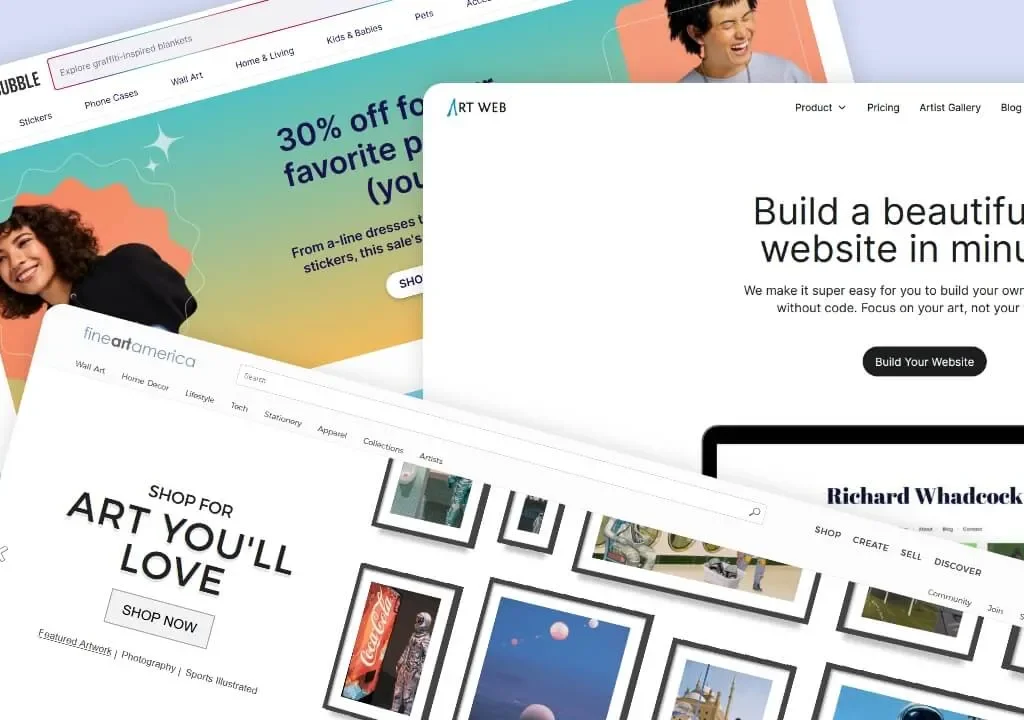
Digital galleries and marketplaces allow creators to sell work directly. Platforms like Saatchi Art, Etsy, Artnet, and proprietary artist websites democratize access to buyers.
Artists must optimize:
- SEO for listings
- High-quality photography
- Clear shipping and return policies
- Detailed descriptions
Social Media and Community Building
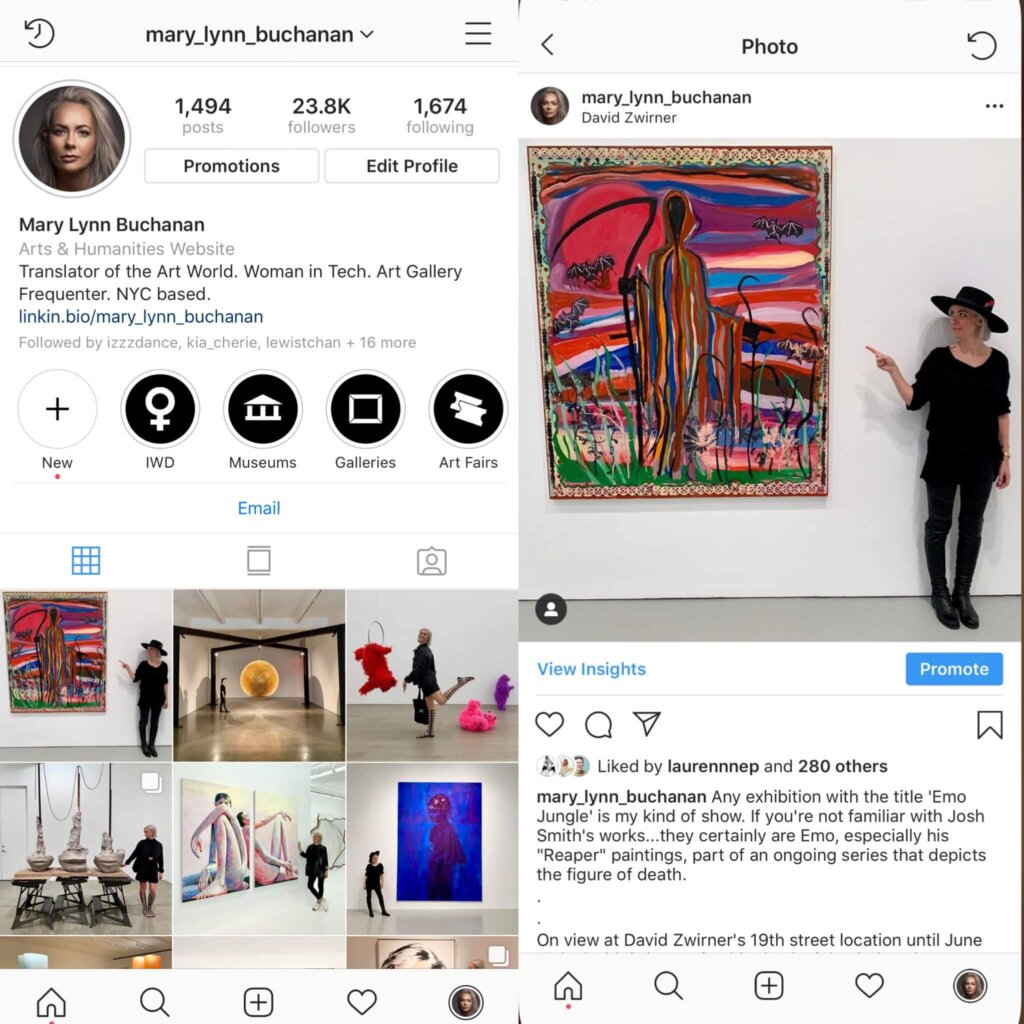
Social platforms (Instagram, TikTok, Pinterest) are powerful tools for engagement and audience growth.
Best practices include:
- Posting behind-the-scenes content
- Sharing work in progress
- Using trending hashtags
- Engaging collectors directly
NFTs and Digital Assets
The rise of non-fungible tokens (NFTs) introduced new art asset classes. While speculative, NFTs created fresh opportunities for royalties, digital scarcity, and decentralized marketplaces.
Artists need to assess:
- Blockchain platforms
- Smart contract terms
- Environmental considerations
- Long-term collectibility
Marketing and SEO for Artists
Search Engine Optimization (SEO)
Artists benefit from search optimization when driving traffic to portfolios or shop pages.
Key SEO elements:
- Title tags with emerging artist keywords
- Meta descriptions that include “original art for sale”
- Alt text for images (“abstract acrylic painting 24×36”)
- Long-tail keywords (“affordable modern art prints India”)
Content Marketing
Consistent content builds authority: blog posts, videos, artist interviews, and newsletters.
Topics that engage audiences include:
- Studio routine insights
- The inspiration behind artworks
- How-to art guides and tips
- Art market commentary
Content also enhances SEO by increasing indexed pages and search relevancy.
Contracts, Copyright, and Legal Considerations
Contracts and Agreements
Professional contracts reduce risk and clarify expectations:
- Gallery representation
- Commission work
- Licensing agreements
- Exhibition terms
Copyright and Intellectual Property
Artists retain copyright in their creations unless explicitly transferred. Copyright provides:
- Protection against unauthorized use
- Ability to license reproduction rights
- Legal basis for royalties
Digital art also requires clarity on licensing rights and allowed uses.
Pricing Strategies in Detail
Understanding Value and Scarcity
Pricing is not only economic — it communicates value, scarcity, and status.
Consider:
- Edition size (limited vs open)
- Size and scale
- Materials and technique
- Exhibition history
Data-Driven Pricing
Smart pricing references market data:
- Auction records
- Comparable gallery sales
- Online marketplace history
Artists can use analytics tools or hire pricing consultants.
Art Fairs and Exhibitions
Art fairs are critical for market exposure. They offer:
- Access to new collectors
- Networking with curators and critics
- Press visibility
However, participation involves:
- Booth costs
- Transportation and insurance
- Staffing
Evaluating return on investment is essential before committing.
Funding, Grants, and Residencies
Grants and Fellowships
Many institutions offer financial support:
- Project grants
- Travel funding
- Creative fellowships
These increase credibility and provide financial breathing room.
Residency Programs
Residencies enrich creative practice and often result in new work, networking, and exhibition opportunities.
Case Studies: Success in the Business of Art
Established Artist Success
Artists who balance creative integrity and commercial strategy often enjoy sustained careers. Their approaches include:
- Strategic gallery partnerships
- Brand collaborations
- International exhibitions
Emerging Artists and Digital First Strategies
Digital-first artists often grow niche followings before monetizing through:
- Patreon and subscription platforms
- Limited edition prints
- Social commerce
Challenges and Pitfalls
Art business challenges include:
- Market volatility
- Intellectual property disputes
- Pricing and undervaluation
- Isolation from business networks
Mitigation strategies involve professional mentorship, legal counsel, and ongoing education.
The Future of Art Commerce
Trends shaping the future:
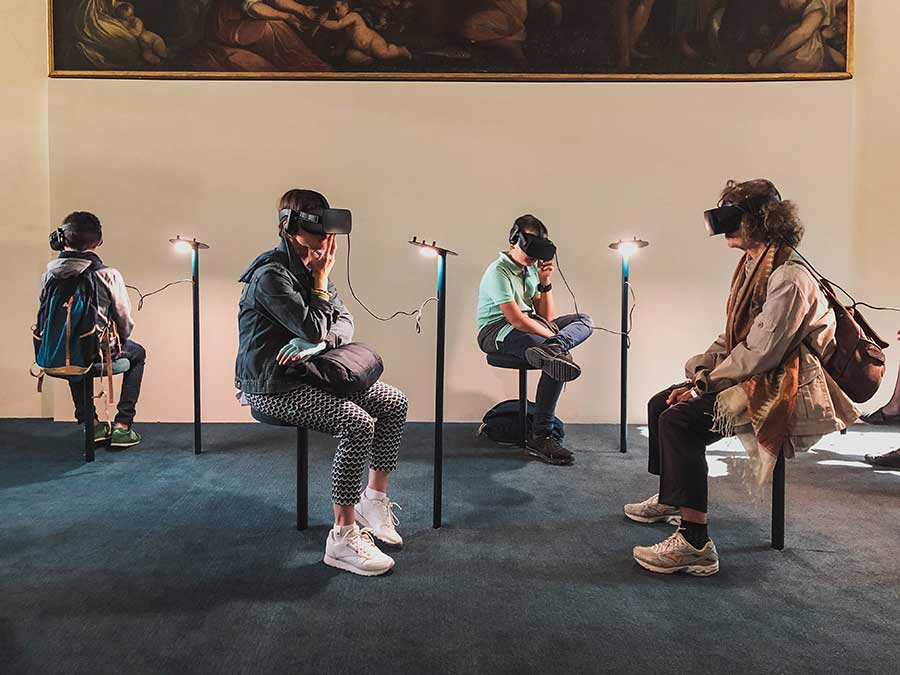
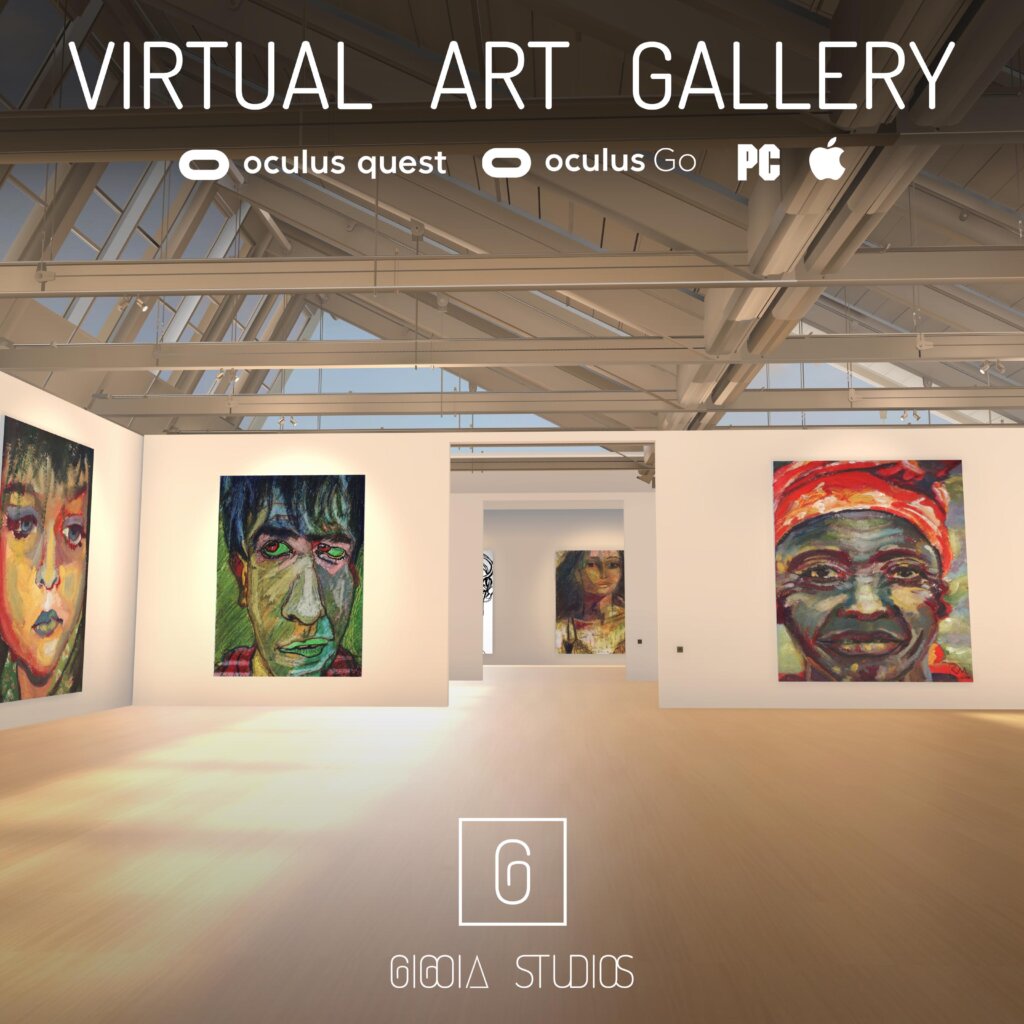
- Augmented Reality (AR) and Virtual Reality (VR) galleries
- AI-assisted creation and curation
- Fractional ownership of works
- Expanded global collectors class
Artists and institutions that adapt will lead the next generation of creative commerce.
Conclusion: Balancing Creativity and Commerce
The business of art is not antithetical to creative expression — it is a framework that enables artists to flourish sustainably. Understanding the structures, digital tools, legal frameworks, and marketing strategies empowers artists to navigate the market without sacrificing artistic vision.
Whether you are an emerging artist, gallery owner, or industry professional, success requires both creative excellence and strategic business execution.