
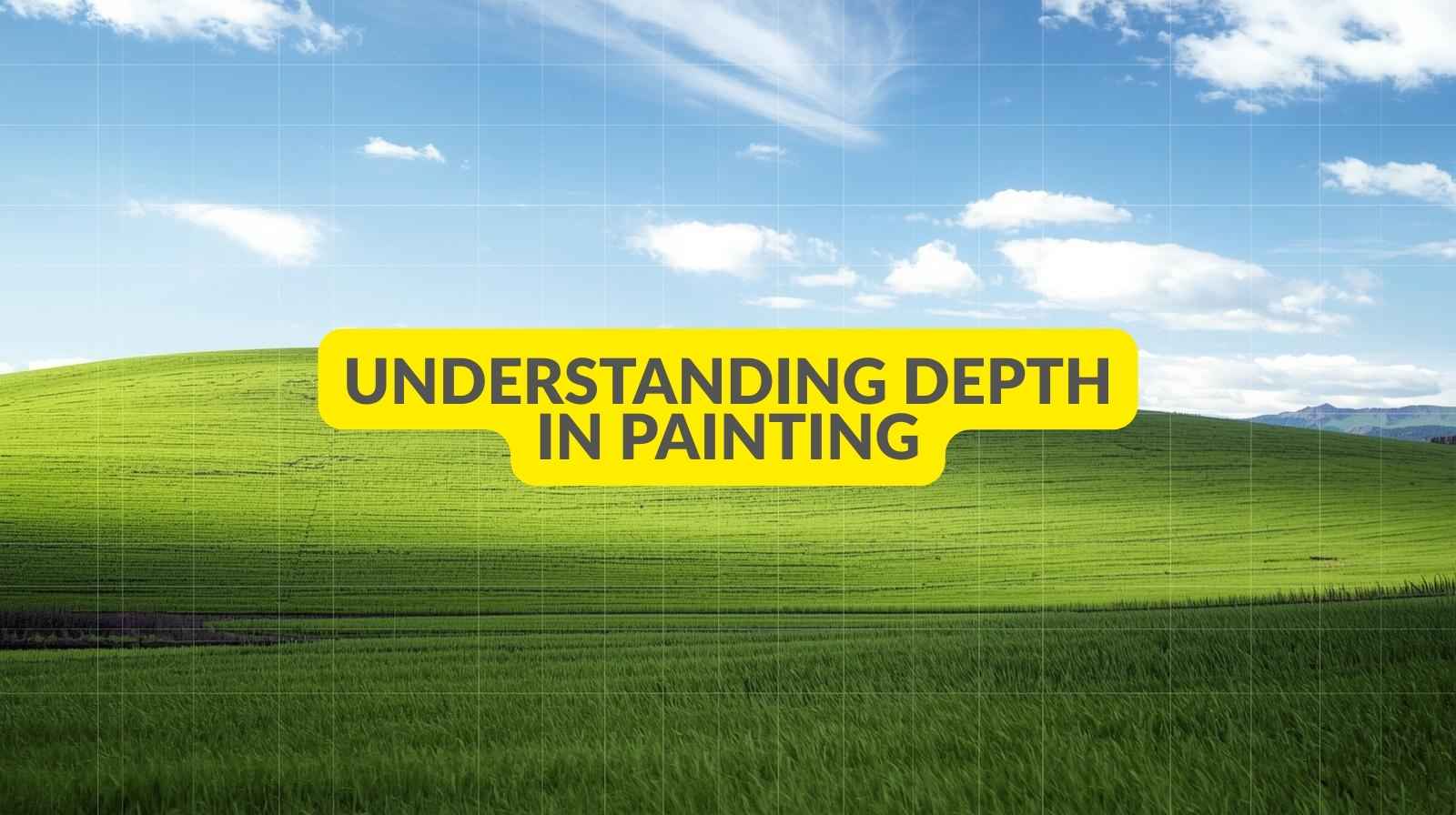
Introduction — Why Depth Matters in Painting
When you look at a scene—a forest, a portrait, a city street—you feel a sense of depth. Depth makes paintings look three-dimensional, immersive, and believable.
Understanding depth transforms flat paintings into lifelike works of art.
In this article, we’ll explore:
✔ How artists create depth
✔ Overlapping & size variation
✔ Value & tonal contrast
✔ Aerial/atmospheric perspective
✔ Color temperature cues
✔ Shading and texture changes
✔ Practical exercises
✔ Video guidance
✔ Downloadable PDF practice sheets
Depth Illustration
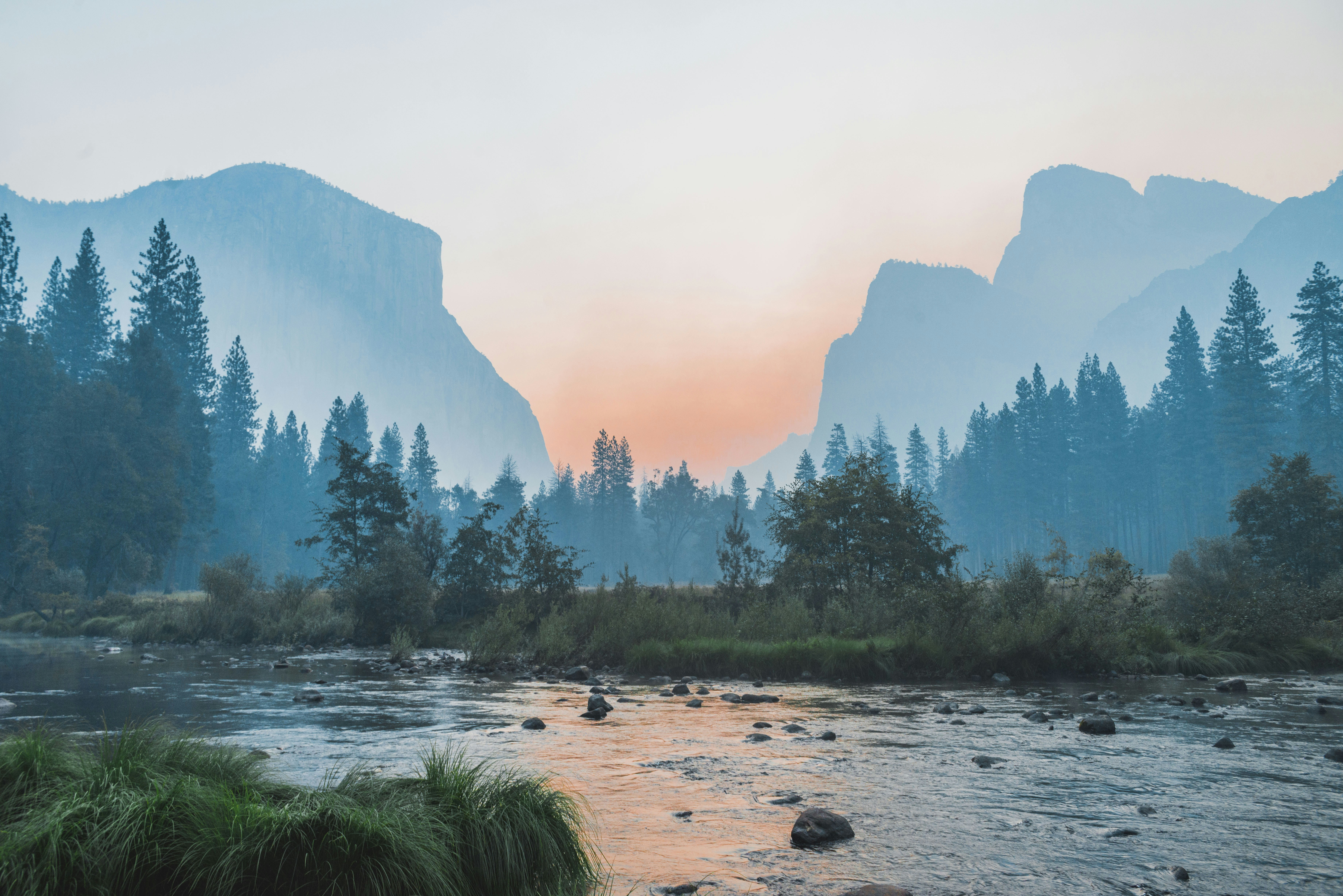
1️⃣ What Is Depth in Painting?
Depth in painting refers to the illusion of distance — making something appear closer or farther from the viewer.
Artists use compositional techniques to simulate three dimensions on a flat surface.
Depth prompts the eye to move from foreground → middle ground → background.
The Three Zones of Depth
| Zone | Description | Visual Cue |
|---|---|---|
| Foreground | Closest area | Sharp detail, strong contrast |
| Middle Ground | Between | Moderate value and detail |
| Background | Farthest | Soft edges, lighter values |
YouTube Tutorial—Understanding Depth
2️⃣ Overlapping & Object Placement
Overlapping occurs when one object partially covers another.
It teaches the viewer which object is in front.
Exercise
Draw 5 spheres overlapping at different distances.
Overlapping Shapes Example


3️⃣ Size Variation (Scale Based on Distance)
Objects closer to the viewer appear larger, while distant objects appear smaller.
Simple Exercise
Draw:
- Big tree in foreground
- Medium tree in the middle
- Small tree far away
Size Variation Example
4️⃣ Value & Tonal Contrast
Value refers to the lightness and darkness of a tone.
Objects closer to view often have:
✔ Strong contrast
✔ Darker darks + lighter lights
Distant objects:
✔ Reduced contrast
✔ Softer value gradients
Value Contrast Guide

YouTube Video — Value and Depth
5️⃣ Atmospheric or Aerial Perspective
Aerial perspective is when distant objects appear:
✔ Lighter
✔ Less saturated
✔ Bluer or cooler
This simulates atmospheric haze.
Aerial Perspective Example
External Resource
👉 Aerial perspective explained — https://www.artistsnetwork.com/art-mediums/painting/aerial-perspective-tips/
6️⃣ Color Temperature & Depth
Warm colors (reds/yellows) come forward
Cool colors (blues/greens) recede
This helps create illusory spatial distance.
Color Temperature Diagram
7️⃣ Linear Perspective (Vanishing Points)
Linear perspective uses vanishing points to draw believable space.
Two primary styles:
✔ One-point perspective
✔ Two-point perspective
YouTube Video — Linear Perspective Basics
Perspective Grid Example
8️⃣ Texture & Detail for Depth
Objects closer have higher detail & more texture.
Far objects become smoother and less defined.
Texture Depth Sketch Example


9️⃣ Light & Shadow Adds Dimension
Understanding light and shadow creates form and volume, enhancing depth.
Use:
✔ Cast shadows
✔ Form shadows
✔ Highlight gradients
✔ Reflected light
YouTube Tutorial — Shadows for Depth
10️⃣ Composition Techniques That Support Depth
Long-tail keyword: composition depth strategies for art
Good composition influences perceived depth.
Techniques include:
✔ Overlapping
✔ Leading lines
✔ Framing
✔ Golden ratio
External reference:
👉 Composition tips — https://drawpaintacademy.com/understanding-composition-for-artists/
Practical Exercises to Improve Depth Fast
Below is a structured set of daily exercises you can follow:
🗓 30-Day Depth Practice Plan
| Day | Exercise |
|---|---|
| 1 | Value scale sheet |
| 2 | Overlapping spheres |
| 3 | Size variation landscape |
| 4 | Aerial perspective hills |
| 5 | Linear perspective grid |
| 6 | Foreground detail study |
| 7 | Midground study |
| 8 | Background study |
| 9 | Color temp warm → cool |
| 10 | Texture depth practice |
| 11 | Cast shadows composition |
| 12 | Reflected light shading |
| 13 | Ball shading with depth |
| 14 | Cylinder with cast shadow |
| 15 | Value-full sheet |
| 16 | Forest depth layering |
| 17 | Portrait light depth |
| 18 | Full-depth painting |
| 19 | Two-point perspective |
| 20 | Atmospheric mountain study |
| 21 | Warm/cool layering |
| 22 | Texture sand practice |
| 23 | Overlapping circles |
| 24 | Water reflections depth |
| 25 | Golden ratio landscape |
| 26 | Long shadow study |
| 27 | Foreground silhouette |
| 28 | Background mist effect |
| 29 | Depth thumbnail sketches |
| 30 | Full depth painting |
Common Mistakes & How to Fix Them
| Mistake | Fix |
|---|---|
| Flat foreground | Add contrast & detail |
| Harsh distant tones | Soften values for background |
| No overlapping | Add layers of objects |
| Ignoring color temp | Use cool hues for distance |
| No perspective | Add linear guides |
External Resources
🔗 Linear perspective basics — https://drawspace.com/lessons/view/one_point_perspective
🔗 Atmospheric perspective tips — https://www.celebratingcolor.com/ultimate-guide-for-atmospheric-perspective/
🔗 Composition fundamentals — https://drawpaintacademy.com/understanding-composition-for-artists/
🔗 Value scales explained — https://www.watercoloraffair.com/value-scale-in-art/




I really appreciate content like this—it’s clear, informative, and actually helpful. Definitely worth reading!
This topic really needed to be talked about. Thank you.